

Sharing and Young Children
“Sharing is caring!” It’s a popular phrase and we have all heard it since we were children;
however, it is often easier said than done. When children begin interacting with each other for the first time, they are commonly possessive over toys or play areas that are “theirs.” It can feel embarrassing or frustrating when your child refuses to share, but this is actually a very normal part of development. Learning to share is a skill that takes time, patience, and practice. The purpose of this article is to provide fun, practical, and encouraging ways to help children understand the importance of sharing while building positive social habits along the way.
Sharing builds empathy, social skills, and emotional regulation. It teaches them how to cooperate with others, solve conflicts, and understand different perspectives. As parents and caregivers, it can feel repetitive constantly reminding children to “share nicely,” but it is important to remember that children are still learning. Often, they simply do not want to give up something they are enjoying, or they may not yet understand how another child feels. With gentle guidance and consistent encouragement, sharing can become a natural and rewarding part of their interactions.

Fun ways to encourage sharing:
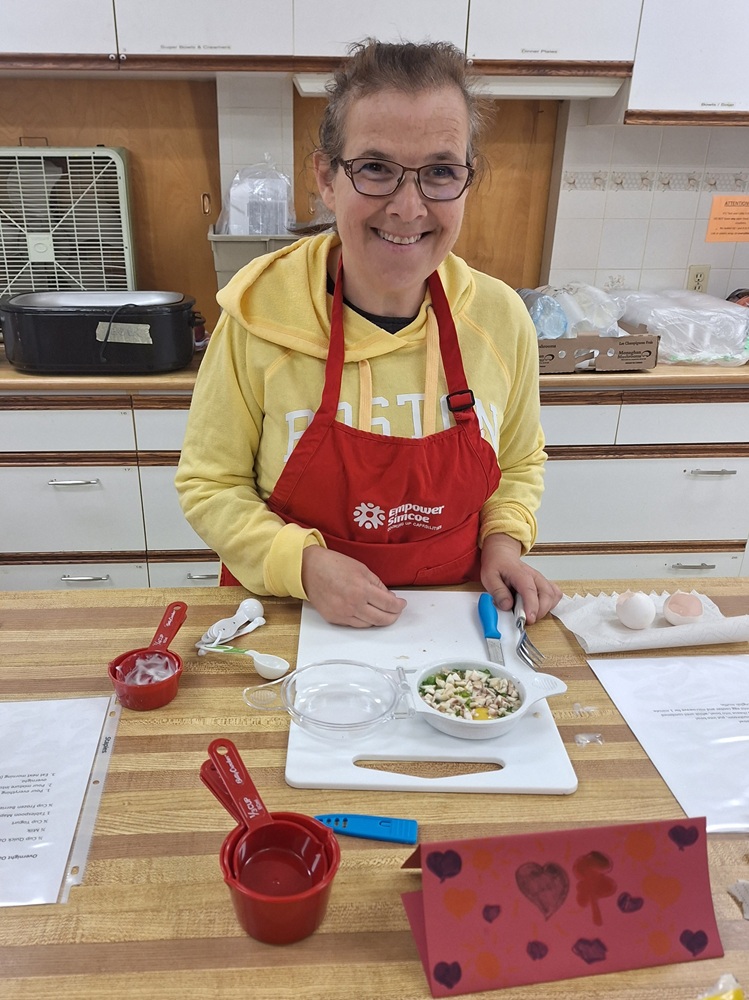
Cooking/Baking:
– Try sharing kitchen tools and taking turns adding things to a pizza or salad
– Divide tasks among children and encourage waiting their turn to participate
– Working together toward a fun end result helps children see the value of collaboration and sharing responsibilities
Gardening:
– Collaborate by allowing each child to pick out different flowers or plants at the greenhouse and have the children plant each other’s flowers
– Assign roles from digging holes to watering the plants, encouraging teamwork
Reading/Toys:
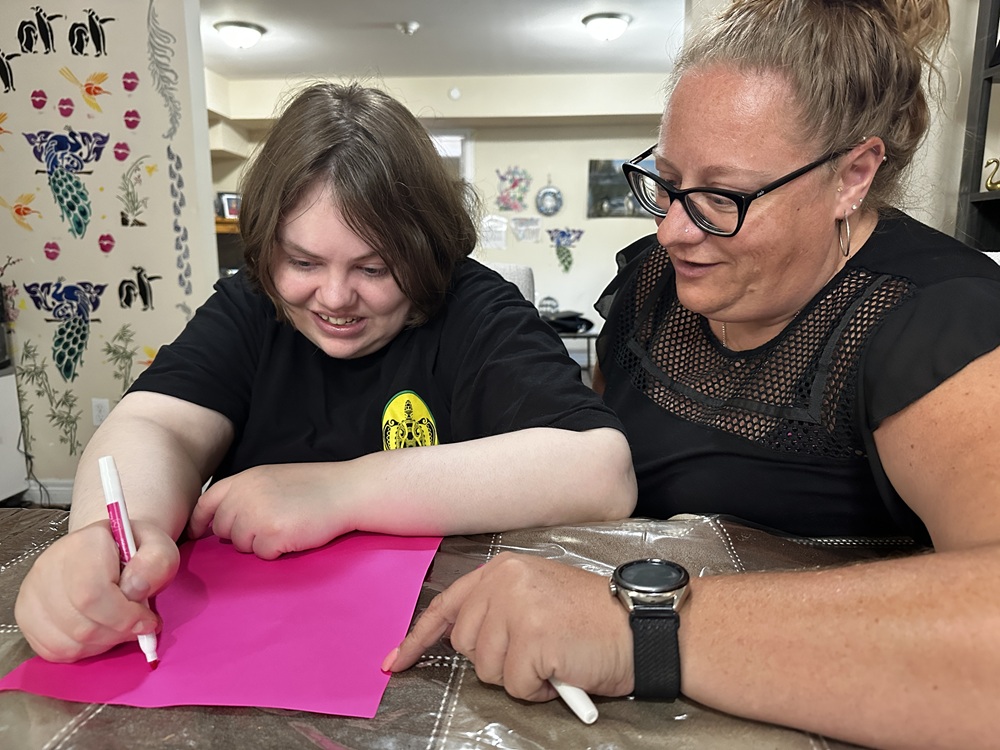
– During playdates or childcare, children can bring their favourite books or toys to share
– To encourage communication skills ask children to show their books to one another, read their story or share their thoughts behind what they brought to share and why
– Activities like this help children feel proud to include others in something they enjoy
Board games and team activities:
– These naturally encourage turn-taking and fairness
– Games help children learn how to wait patiently, follow rules, and celebrate successes together
– Outdoor activities like scavenger hunts can teach cooperation in an exciting way
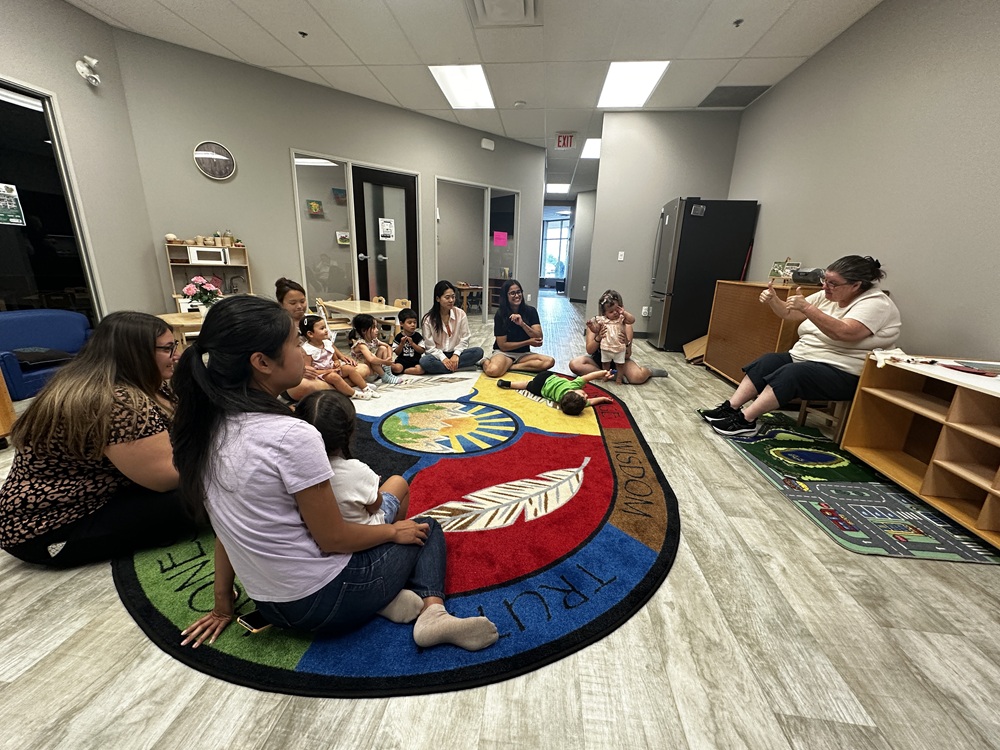
In general, we can remember to model these behaviors ourselves and praise efforts focused on teamwork within the home. Even something as small as lending a pen or sharing your favourite snack can go a long way in the eyes of children. It is also worth mentioning that setting healthy boundaries is okay! Sharing has limits and understanding what is appropriate and what is not, is just as important. The goal is to help children learn balance, kindness, and respect for others. Overall, do not feel discouraged if your child struggles with sharing. Developing social skills takes time, consistency, and support. Before you know it, those small moments of sharing can grow into lifelong habits of empathy and connection. Visit your local EarlyON Child and Family Centre to practice sharing.
Written By: Gracie Gilmer Student Early Learning Facilitator
Sources:
“Helping Young Children With Sharing.” ZERO TO THREE, 11 Aug. 2017,
https://www.zerotothree.org/resource/helping-young-children-with-sharing/. Accessed 15 May2026.
“How To Encourage Your Kids To Share.” Cleveland Clinic, 24 Mar. 2025,
https://health.clevelandclinic.org/how-to-teach-sharing. Accessed 15 May 2026.
“Ideas for Fun Activities That Promote Sharing and Cooperation in Kids.” Reality Pathing, 8July 2025, https://realitypathing.com/ideas-for-fun-activities-that-promote-sharing-andcooperation-in-kids/. Accessed 15 May 2026.