

Fostering Childhood Friendships
With this new school year upon us and fresh beginnings ahead we are prompted to reflect on the importance of positive peer relationships for our little ones. Friendships and bonds created between young children build the foundation for lifelong social skills. As caregivers, we play a very important role in guiding children through peer relationships. This can be done through creating meaningful opportunities to build bonds, modeling positive social behavior, and fostering these essential relationships once they are created.
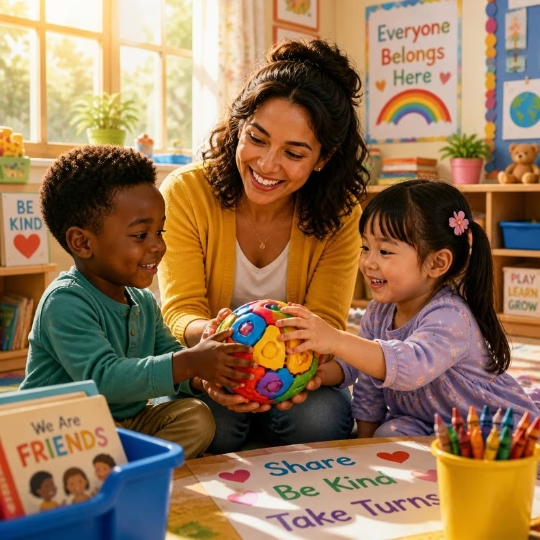
There are many benefits to early childhood friendships that go beyond filling our hearts with joy and our homes with laughter. They also create many opportunities for children to grow in their communication, emotional intelligence, problem-solving skills, and confidence.
Communication: Through play, joint enjoyment, and conversations, children learn to share their thoughts, listen to others, and respond in supportive and appropriate ways.
Emotional Intelligence: Friendships allow children to navigate their emotions from excitement and happiness to frustration and anger while also recognizing and responding to their peers’ feelings.
Problem-Solving: Beautiful friendships can also bring conflict. With guidance from caregivers’ children can practice their problem-solving skills within a supportive environment. Through conflict resolution, children will learn to express their needs and feelings appropriately, while also listening to their peers. With this back-and-forth relationship, children will learn to find solutions to problems as they arise, assisting them in becoming more resilient.
Confidence: Creating positive relationships with peers reinforces a child’s sense of self and confidence. With increased self-esteem, children are more likely to engage in social settings and grow in their strength and adaptability when faced with challenges.
Knowing the benefits of early childhood friendships, there are many ways caregivers can build and foster these wonderful bonds. Below are some tips and tricks!
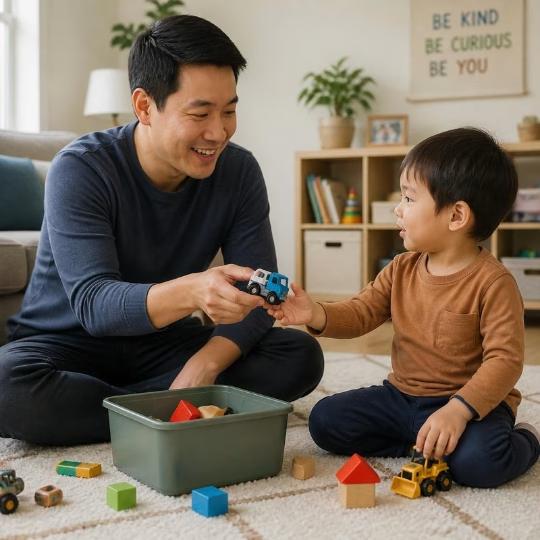
1) Practice turn-taking and sharing at home
As adults, we often don’t think about requesting a turn when playing with our little ones. However, through practicing that back and forth of sharing toys and ideas within our homes, children will be more prepared for social settings and turn taking with peers.
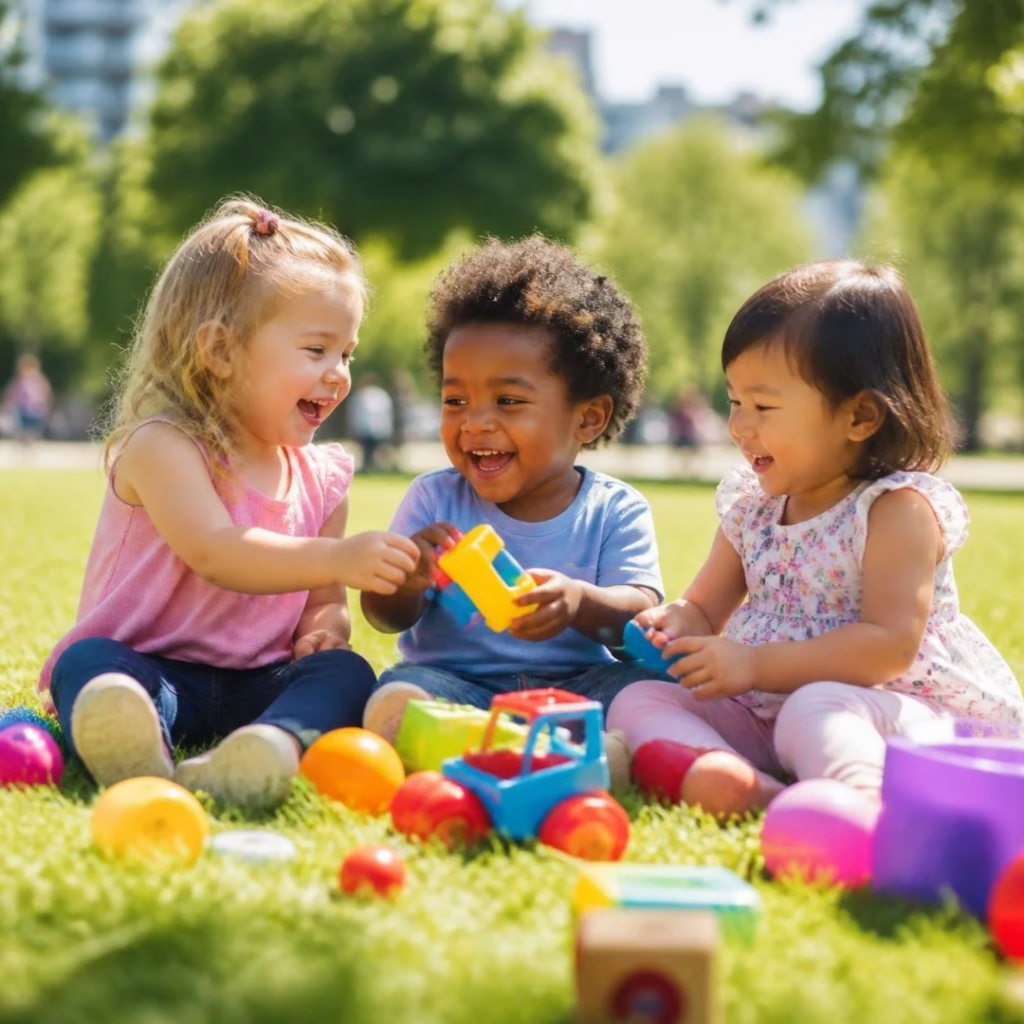
Encourage playdates, group activities and community outings
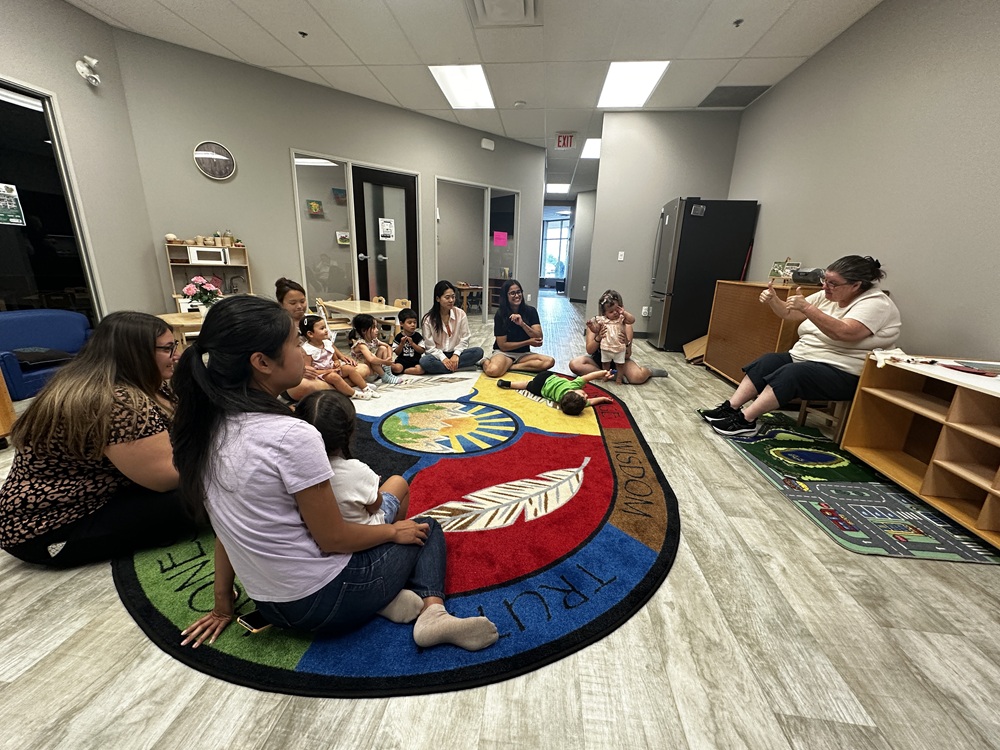
Through structured social settings like playdates and group activities, children are given the opportunity to meet and build bonds. These activities could include playdates at the park, library story time, music classes, team sports, and of course EarlyON programs!
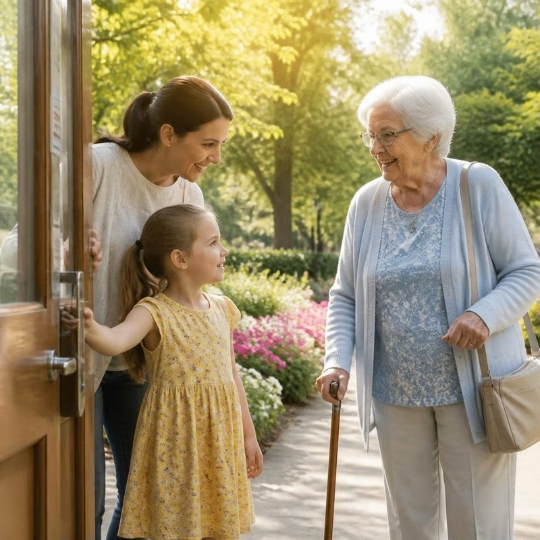
Model
Children learn through observing the world around them, especially their caregivers. When modeling positive social behaviors such as listening, respect, and compassion children are equipped with a blueprint to follow.
Exploring Empathy
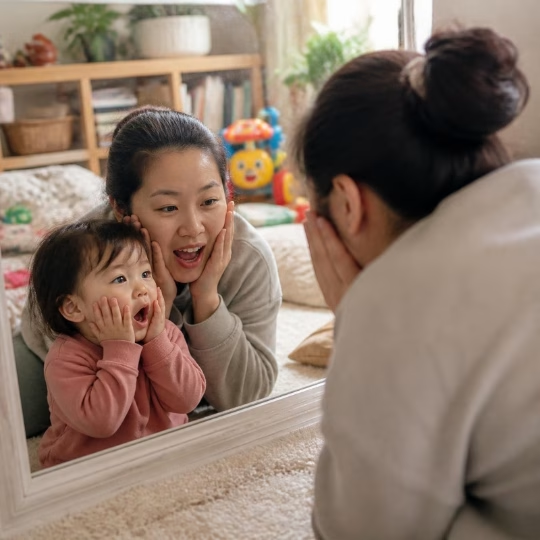
Empathy is a complex skill to develop, however through understanding and recognizing emotions children are better able to identify how their actions affect others. Caregivers can support children in learning about emotions, reactions, and empathy in a verity of ways. You may choose to read stories or sing songs about feelings, practice conversations through pretend play, or role model ways to show empathy.
Friendships not only fill our own cups but our children’s as well. Peer relationships keep life full, exciting, and on occasion they can last a lifetime. Together we can support children in creating, building, and fostering these beautiful and meaningful relationships.
By: Hannah Che Rose, Early Learning Facilitator
References:
Kids Mental Health. How Friendships Shape Your Child’s Identity. Psychological Development and Peer Influence, June 2025. https://www.kidsmentalhealth.ca/how-friendships-shape-your-childs-identity-a-parents-guide-to-peer-relationships/
Sanford Health. How to Foster Healthy Friendships and Social Skills in Children. Sanford Health Fit, n.d. https://fit.sanfordhealth.org/blog/how-to-foster-healthy-friendships-and-social-skills-in-children
Jan Peterson Child Development Center. Why Early Childhood Friendships Matter for Social Skills Development. Jan Peterson Blog, November 2024. https://janpetersoncdc.com/blog/why-early-childhood-friendships-matter-for-social-skills-development/
Zero to Three. How to Help Your Child Develop Empathy. Infant and Early Childhood Mental Health,
Rebecca Parlakian, February 2016. https://www.zerotothree.org/resource/how-to-help-your-child-develop-empathy/