

Small Rhymes, Big Learning: World Nursery Rhyme Week
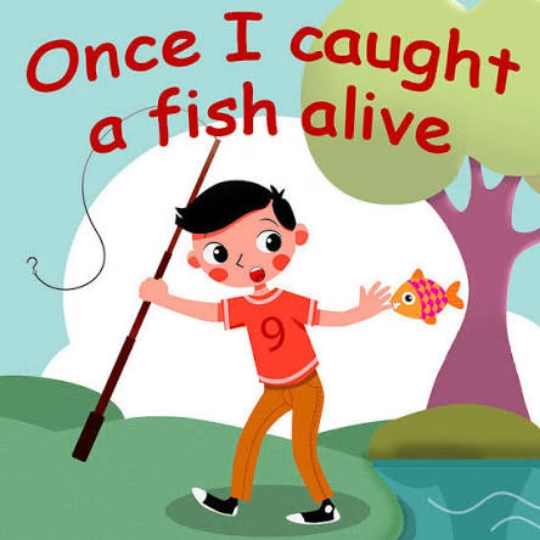
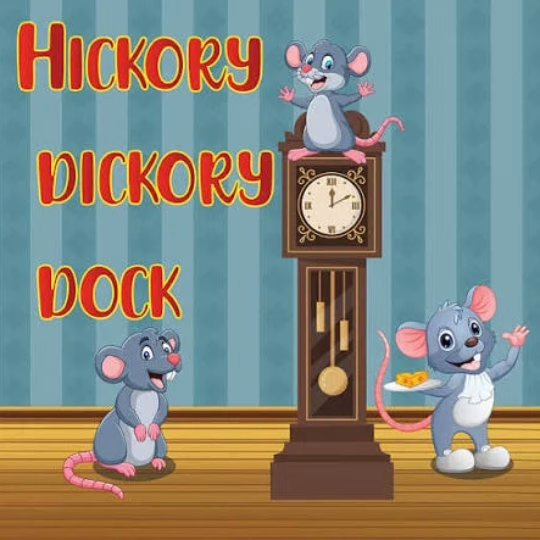
Get ready to sing, move and play! World Nursery Rhyme Week takes place November 9–13, 2026, inviting families to celebrate the joy and learning tucked inside familiar rhymes. This year’s five featured rhymes are “Hickory Dickory Dock,” “Doctor Foster,” “Pussy Cat, Pussy Cat,” “Row Row Row Your Boat,” and “12345” (“Once I Caught a Fish Alive”). The “Rhyme a Day” challenge encourages children to explore one rhyme each day through singing and playful activities—a wonderful invitation to enjoy language together!
Nursery rhymes help build literacy long before children begin reading words on a page. Their rhythm, repetition and rhyming words draw attention to the sounds within spoken language. This listening skill, called phonological awareness, is an important foundation for learning to read. Toronto Public Library explains that songs and rhymes help children develop awareness of word sounds while strengthening vocabulary. Hearing familiar verses again and again gives children opportunities to anticipate words, join in and explore how language works.
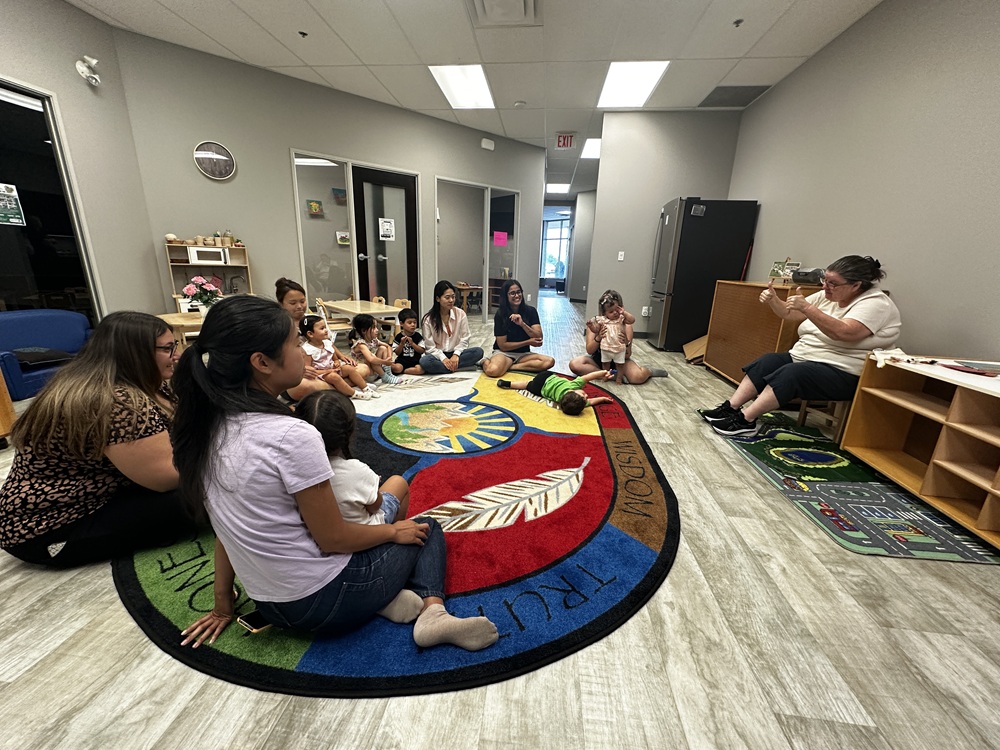
Each of this year’s rhymes offers a playful starting point for learning. Make fingers scamper like a mouse during “Hickory Dickory Dock,” pretend to step into a puddle with “Doctor Foster,” or imagine where the cat might travel in “Pussy Cat, Pussy Cat.” Gently rock and row during “Row Row Row Your Boat,” and count on fingers while reciting “12345.” Try pausing before a familiar rhyming word and giving your child time to fill it in.
Author and literacy advocate Mem Fox encourages adults to “say nursery rhymes in a bouncy way” and reminds us that sharing language should feel like “a fabulous game.” These simple invitations turn listening into active participation.
You do not need special materials or a perfect singing voice to take part. Share a rhyme while getting dressed, waiting for the bus or settling down together, and repeat favourites as often as your child enjoys them. Toronto Public Library encourages families to sing together and revisit familiar songs, reminding us that musical skill is not required. Include favourite rhymes in the languages your family uses, welcome your child’s gestures and ideas, and enjoy the moment. A few playful minutes each day can make language learning a warm and joyful part of family life.

Fox, M. (2023, March). Ten read-aloud commandments.
https://memfox.au/advice/5h8vltoh1om33x7gwybezogqqeoeeo
Lee, C. (2015, April 30). Music and literacy. Toronto Public Library.
https://blogs.tpl.ca/kids-books/2015/04/lyrical-literacy/
World Nursery Rhyme Week. (n.d.). About WNRW.
https://www.worldnurseryrhymeweek.com/about-wnrw/