

Sensory Play: Learning Through the Senses
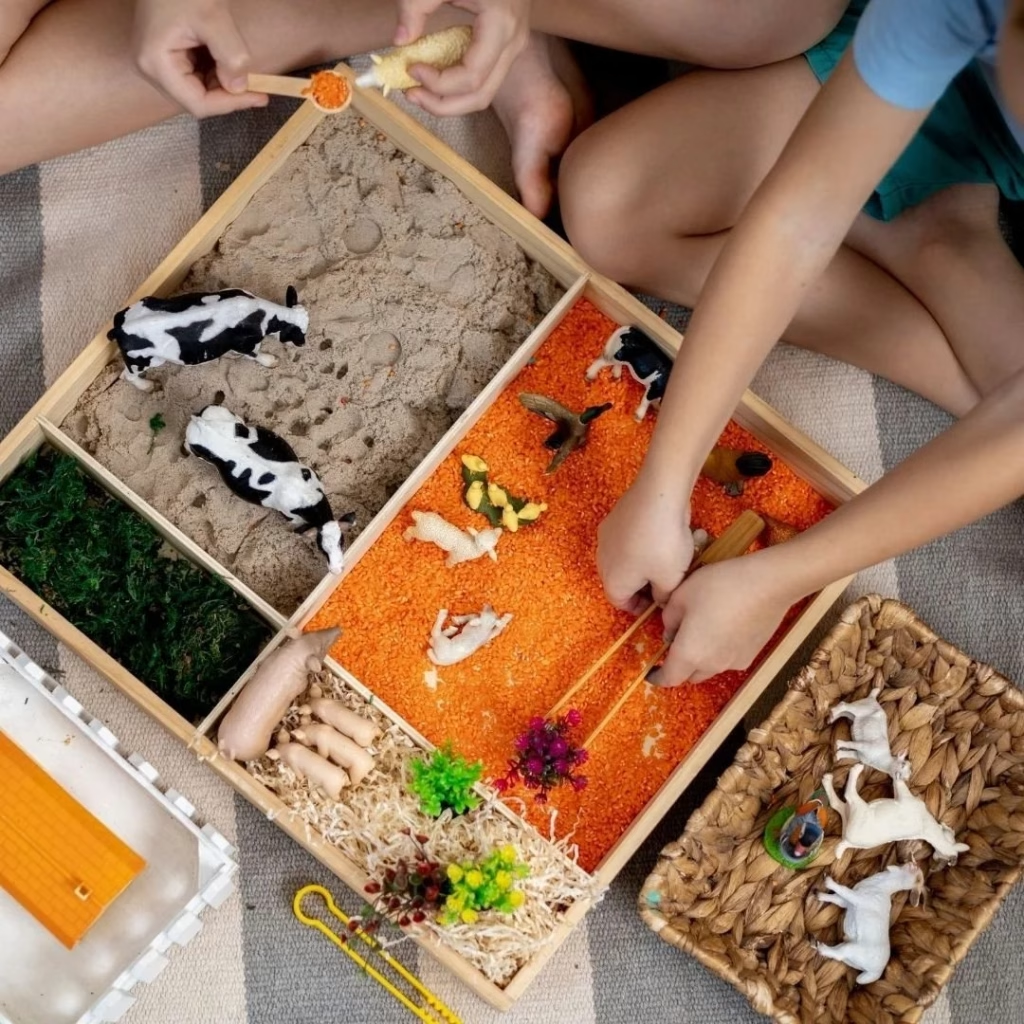
Have you ever watched a baby squish their hands into yogurt, a toddler scoop and pour water over and over again, or a preschooler bury their hands in rice and ask, “What’s that?”. It may seem like a simple form of play, but sensory play is a powerful form of learning!
What is Sensory Play?
From birth and throughout early childhood, children use their senses to explore the world around them; touch, smell, sight, sound, movement and when appropriate and safe, taste. For children between zero to six, these experiences help build connections between what they see, feel, hear, and do. Often without even realizing, children are partaking in sensory play each and every day.
Why is Sensory Play Important?
Sensory play is important as it increases body awareness, encourages problem solving, supports expressive communication and language skills, promotes self-regulation and stimulates or soothes all the sensory systems! When children explore materials with their hands and bodies, they are making discoveries and developing skills. In turn, sensory play is supporting all four foundations of how learning happens.
What Does Sensory Play Look Like?
Sensory play doesn’t have to look the same at every age.
For babies, sensory play can be wonderfully simple. Textured fabrics, splashing and kicking during bath time, high-contrast pictures or mirrors, and objects with different shapes and textures are all ways a baby can explore, discover and learn through their senses. Every touch, sound and movement, is an opportunity for babies to learn about themselves and the world around them.
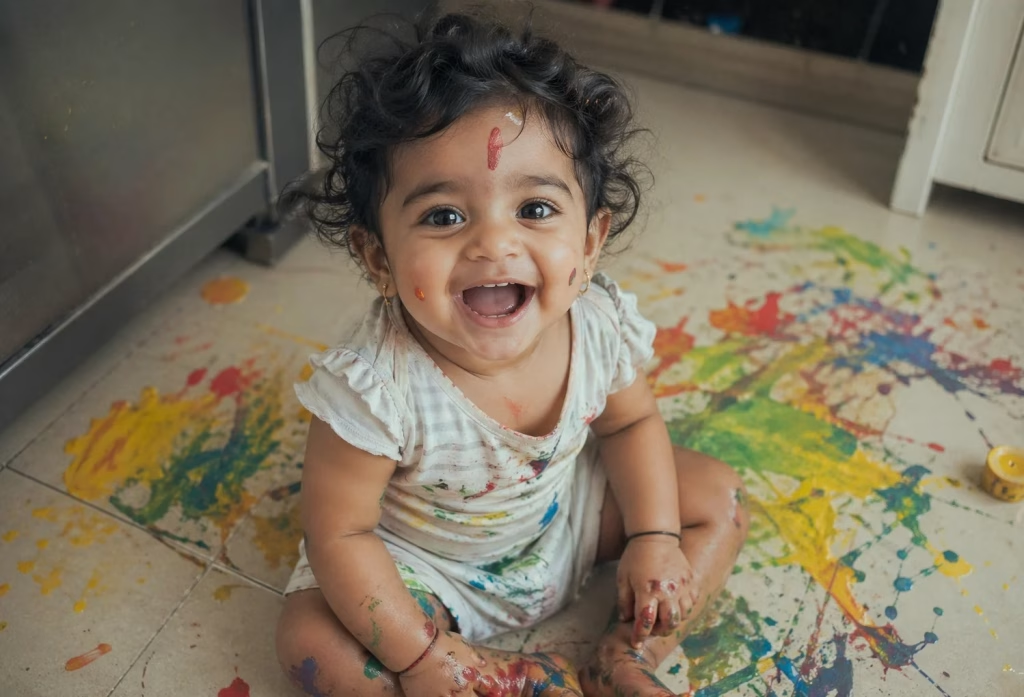
Toddlers are ready to get more involved, using their whole bodies to partake in this form of play. Scooping and pouring water or sand, covering their hands in paint or other messy materials, exploring nature, and creating sensory experiences with objects they find around them. Toddlers often want to repeat the same action many times. The repetitive scoop, dump, squeeze, or pour is testing their ideas and building their confidence and understanding.
Older children can take a sensory play experience and bring it up a notch through combining it with their imagination and problem-solving. Creating sensory recipes in a mud kitchen, mixing colours, exploring magnets, cooking and baking and building with natural materials, provokes children to ask bigger questions and further their curiosities.
Sensory Play at EarlyON
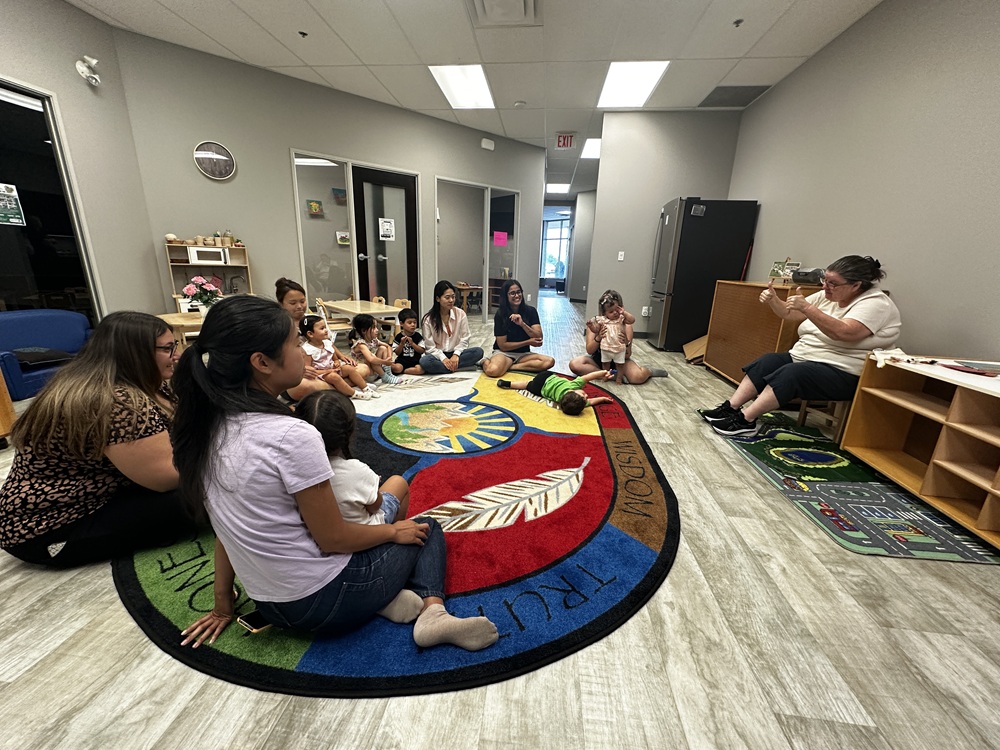
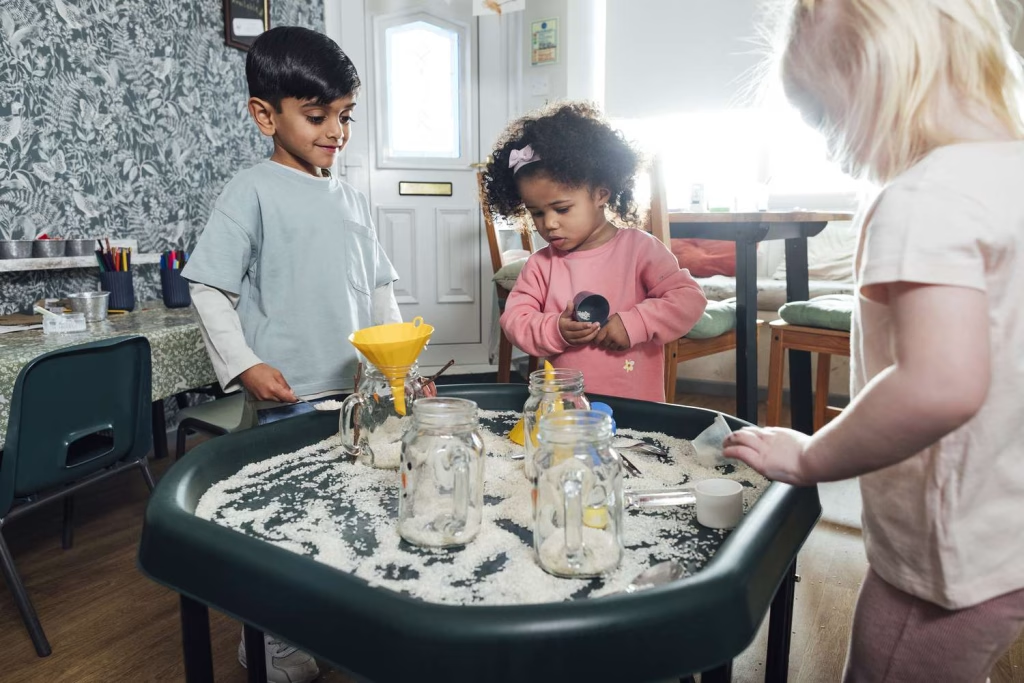
Sensory play is incorporated into all Early ON programs for children from zero to six. You may notice our tuff trays set up with different hands-on invitations to play, such as water, sand, playdough, ice, paint, natural materials or other materials for children to explore. We intentionally provide open-ended sensory experiences that allow children to explore at their own pace, following their interests and discovering through play.
For our youngest learners, we offer Messy Babies at our Bradford and Barrie EarlyON locations. This program gives babies and their caregivers the opportunity to explore sensory experiences together in a fun, safe, and welcoming environment. It might look messy, but that is ok, because it means learning is happening! This program runs the second Wednesday of each month at our Bradford location and occasionally at our Barrie location. Keep your eyes peeled on our calendar for all Messy Babies program time and dates.
Written by: Jaden Fess-Maurino, EarlyON Facilitator
References
Cleveland Clinic. (2024, May 15). Sensory play: What it is and why it’s important for kids. Cleveland Clinic. https://health.clevelandclinic.org/benefits-of-sensory-play-ideas
Only About Children. (n.d.). Exploring the benefits of sensory play for children. https://www.oac.edu.au/news-views/sensory-play/
Ontario Ministry of Education. (2014). How does learning happen? Ontario’s pedagogy for the early years. Government of Ontario. https://files.ontario.ca/edu-how-does-learning-happen-en-2021-03-23.pdf