

Back to Routine
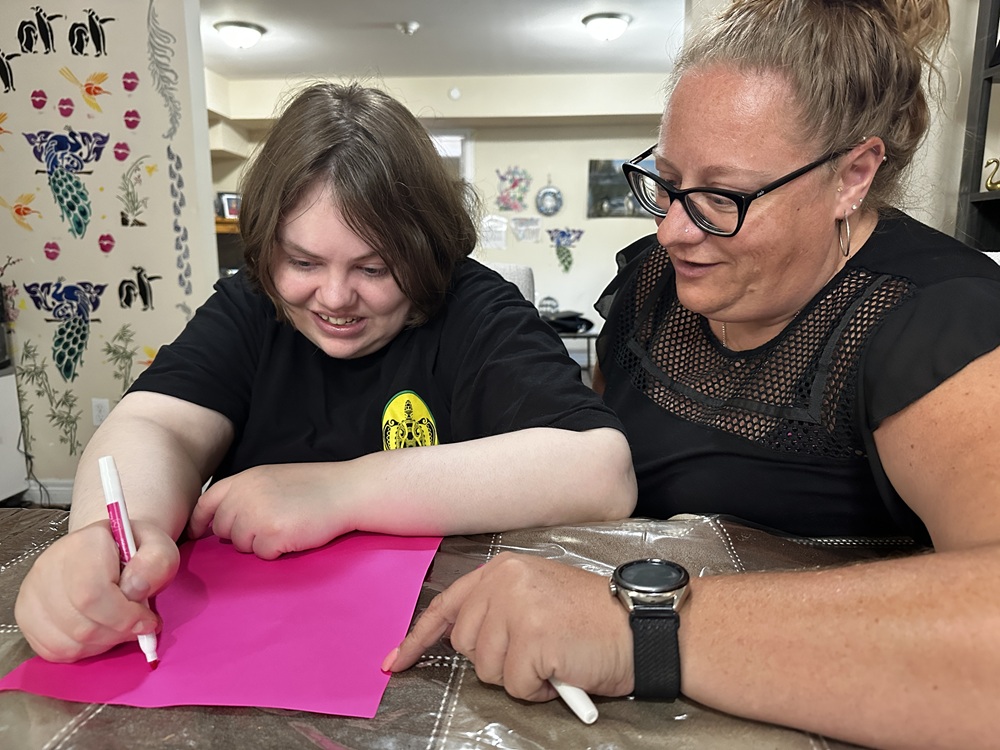
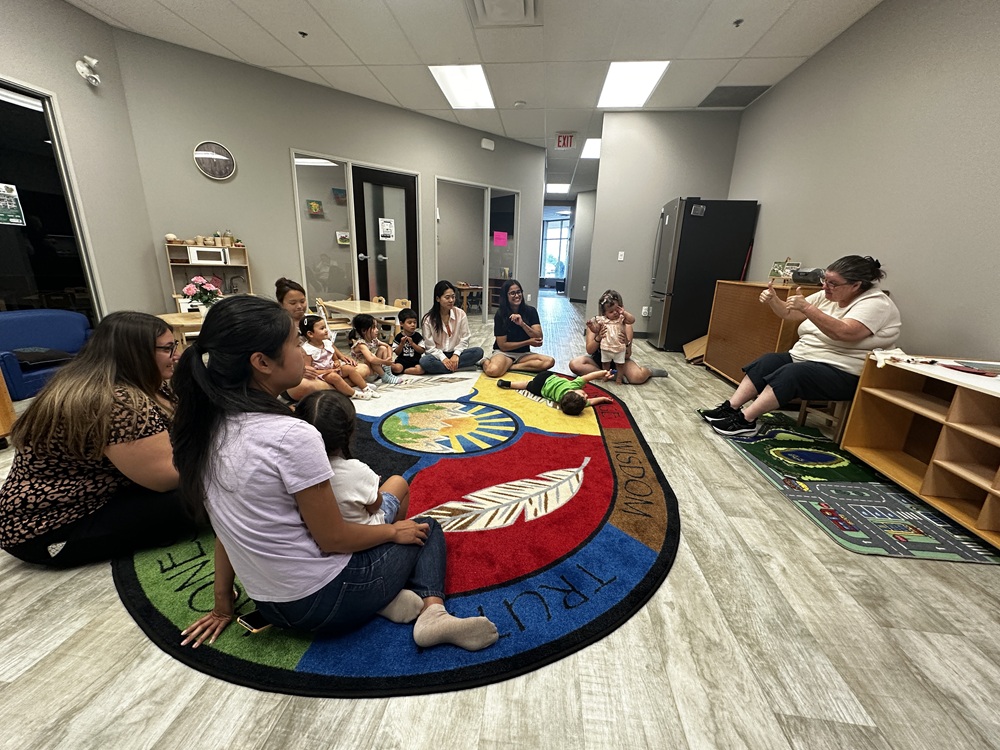
As children return to or start school, establishing routines is helpful to create a sense of stability and predictability. Routines assist children understand what to expect each day, reducing anxiety associated with new or changing environments. Routines provide a framework within which children can operate, helping them feel more secure and confident as they navigate school life. By having a consistent daily schedule, children can focus more on learning and less on worrying about what comes next.
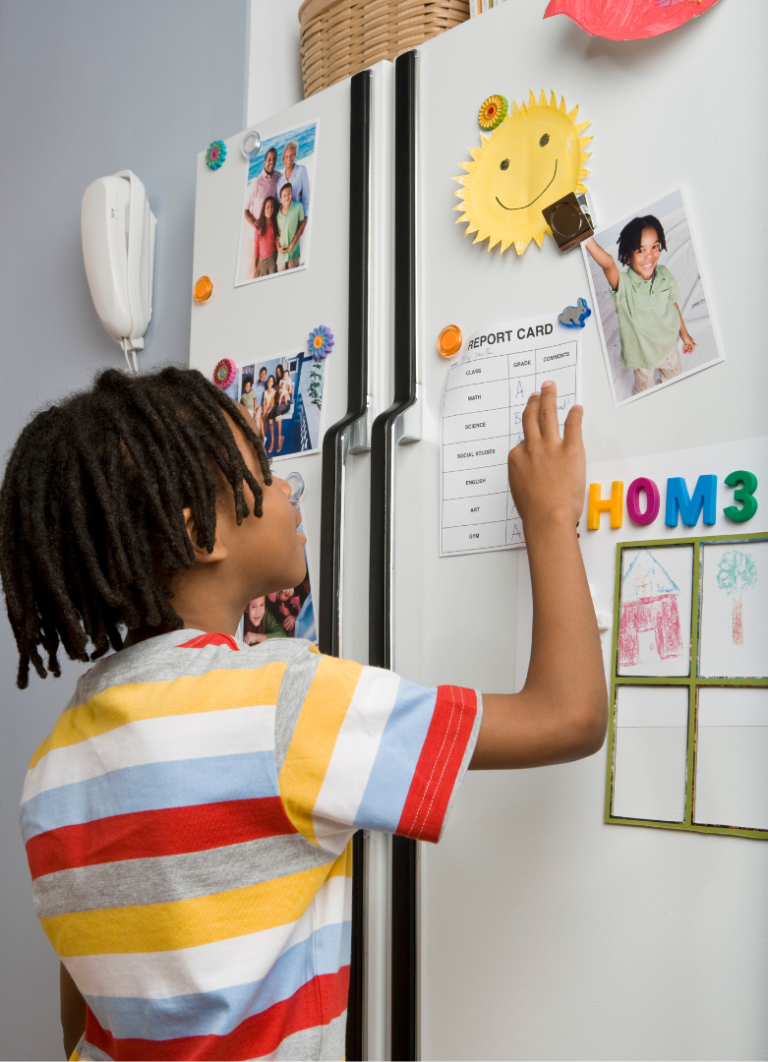
To successfully implement routines, consider the following tips:
- Start with a simple, consistent schedule: Begin with a basic routine that includes key activities like waking up, meals, homework, and bedtime. Consistency is key, so try to stick to the same schedule every day.
- Involve your child in the planning: Encourage your child to participate in creating their routine. This involvement can increase their sense of ownership and willingness to adhere to the schedule.
- Set clear expectations: Clearly communicate what is expected during each part of the routine. Use visual aids like picture charts or checklists to help younger children understand and follow the routine.
- Be flexible when needed: While consistency is important, be prepared to adjust the routine as necessary to accommodate special events, changes in schedule, or your child’s needs.
- Incorporate downtime: Ensure that there is time allocated for relaxation and free play. Balancing structured activities with downtime is essential for a child’s well-being.
- Lead by example: Model the behavior you want to see. If children see their parents following routines, they are more likely to do the same.
- Celebrate successes: Acknowledge and celebrate when your child follows their routine successfully. Positive reinforcement can motivate them to continue adhering to their schedule.