This year’s theme is, “It’s time to applaud this country’s volunteers.“
At Empower Simcoe we give cheers to the commitment, dedication and selflessness of all our volunteers who help people we support engage in the community. They also assist us at our Empower Simcoe Foundation fundraising events. They lend a voice to ensure the rights of people we support are heard.
Volunteers are the heart of Empower Simcoe and play a vital role ensuring we support people of all ages and abilities to realize their full potential and to enhance their quality of life.
A standing ovation for all our Empower Simcoe volunteers!
Visit our Get Involved page to learn more about volunteering with Empower Simcoe.
On behalf of the Empower Simcoe Foundation Board of Directors, we sincerely thank all our donors, volunteers, community partners, and employees. Your incredible generosity and tireless efforts to assist the Empower Simcoe Foundation in responding to community needs through collaborative fundraising are to be applauded.
Dr. Claudine Cousins
Empower Simcoe
Chief Executive Officer
Transformation is happening all around us; within the section and the broader environment. We want to be aligned with, and ahead of that change. We will leverage our reputation and expertise as we grow our organization by taking the good we are doing and making changes to what we could be doing better.
Margaret Good
Good Girls Marketing and Consulting Services Inc.
CEO
Giving back makes me feel that I’m contributing a little bit to making life better for other people. It’s my small contribution. I want to make life a little bit easier and happier for people, to know they are loved and cared about and are important.
Translate »
Belonging
Belonging refers to a sense of connectedness to others, an individual’s experiences of being valued, of forming relationships with others and making contributions as part of a group, a community, the natural world.
Belonging for Children
Belonging for Parents/Caregivers
Belonging for Educators
Goal for children: Every child has a sense of belonging when he or she is connected to others and contributes to their world.
Children demonstrate a sense of belonging when they:
• feel included and safe in relationships with adults and other children in the early years setting; • participate fully in ways that are most comfortable to them; • participate in social interactions, shared exploration, play, and learning with adults and children; • make smooth transitions between home and early years settings; • begin to show concern and empathy and take action to assist others; • notice similarities and differences between self and others and respond positively to the uniqueness, differing capabilities, and perspectives of others; • recognize, explore, and make connections: – between home and the early childhood setting, – with their community, – with the natural environment; • express a sense of purpose as they participate and make contribution
Program expectation: Early childhood programs cultivate authentic, caring relationships and connections to create a sense of belonging among and between children, adults, and the world around them.
Educators can create contexts in which all children can develop a sense of belonging by:
• being attuned to the physical and emotional states of each child and responding in a warm and sensitive manner; • connecting with each child and recognizing and valuing his or her unique spirit, individuality, and presence; • planning for ways to support smooth transitions: – between the home and the early years setting, – in daily routines, – across early years settings; • supporting relationships between children as they initiate, respond, collaborate, celebrate, and demonstrate care for others; • developing policies, practices, and environments that respect and support inclusion, meaningful participation, and a sense of belonging for all children; • finding ways to intentionally integrate the unique perspectives and gifts of parents, caregivers, and extended family throughout all elements of the program in a meaningful and authentic way; • establishing and maintaining positive reciprocal relationships with community partners to support meaningful participation; • creating opportunities throughout daily experiences that enable children to explore, wonder about, care for, and make connections to the natural environment; • giving visibility to the many relationships that children form with adults, other children, the community, and the natural world through various forms of documentation; • inviting community members to contribute to and participate in the program and providing opportunities for children to participate and make meaningful contributions to the
A warm and caring manner is conveyed through body language as well as words – how we touch, carry, and move children through daily routines sends a strong message.
Capitalize on opportunities for one-to-one interactions during daily routines (e.g., for infants and toddlers: diaper changing, dressing to go outdoors, and feeding/meal times are ideal opportunities for making connections and building relationships).
Discover the unique characteristics and gifts of each child by talking with his or her family, observing, and documenting (e.g., in addition to what the children are interested in, notice what brings them joy and how they relate to others and to the environment around them; to support inclusion, consider each child’s capabilities rather than focusing solely
Rather than reprimanding children for undesirable behaviours, assist them in finding new ways to achieve their goals (e.g., look for the root cause of behaviour; reduce stressors; support children’s efforts to initiate and join in play with others; notice, acknowledge, and document positive interactions and attempts at self-regulation and share the information with children and families to gain new insights).
Helping all children in the program to gain a clearer understanding of the capabilities and challenges of others is a way to build their social competence. The ability to value the differences of others is strengthened both for typically developing children and for children who require additional support.
Build connections between the home and the program by communicating with families using multiple means (e.g., send e-mail updates; create a blog; set up a documentation panel and place it near the entrance where families can find out more about their children’s experiences; invite families to comment on a specific piece of documentation; suggest ways families can extend learning at home to build on a particular idea children are exploring; encourage families to help you.
Engagement refers to a state of being genuinely involved and interested in what one is doing. Optimal conditions for learning occur when we are fully engaged. For children, this happens in play that evolves from the child’s natural curiosity – active play that allows children to explore with their bodies, minds, and senses, stimulating them to ask questions, test theories, solve problems, engage in creative thinking, and make meaning of the world around them. These investigations through play fuse intellect and feeling to help children make connections and develop the capacity for higher-order thinking.
Research into learning and development – from the early theories of Dewey, Piaget, and Vygotsky to the latest findings of neuroscience – makes it clear that children learn best when they are fully engaged in active exploration, play, and inquiry (Gopnik, 2009). When children initiate experiences, generate ideas, plan, problem-solve, make meaningful choices, and act spontaneously through play, they are more likely to be happy and get along well with others, to have lower levels of stress, and to be attentive and motivated to learn.64 When children are fully engaged, they develop dispositions and skills for lifelong learning that are important for success in school and beyond.
Engagement for Children
Engagement for Parents/Caregivers
Engagement for Educators
Ways in which children might demonstrate engagement
Goal for children: Every child is an active and engaged learner who explores the world with body, mind, and senses.
Children are engaged learners when they: • express joy and wonder in their encounters with the environment, the natural world, and other people; • focus attention, manipulate, investigate, observe, question, test theories, solve problems, create, and represent ideas and their understanding of the world around them through play in divergent and increasingly complex ways; • engage with others to negotiate, collaborate, create, and communicate feelings, ideas, experiences, and knowledge; • through their play, explore materials that support an increasing awareness and understanding of concepts associated with literacy and numeracy; • participate to the best of their abilities in an inclusive learning environment.
Program expectation: Early childhood programs provide environments and experiences to engage children in active, creative, and meaningful exploration, play, and inquiry.
Educators can create contexts that engage children by: • designing indoor and outdoor environments and experiences that spark curiosity, invite investigation, and provide challenges that are responsive to individual capabilities to help children extend the boundaries of their learning; • connecting with families and communities and inviting their participation to ensure that environments and experiences reflect and are relevant to children’s everyday lives; • providing a wide variety of interesting objects and open-ended materials for children to explore with their senses, manipulate, and investigate; • planning daily routines (the flow of the day) with limited interruptions and transitions to maintain a sense of calm and simplicity for infants and toddlers, and providing ample opportunities through large blocks of time for older children to engage in sustained, complex play and inquiry; participating with children as a coinvestigator, co-learner, and co-planner rather than as director or “keeper of knowledge” and “keeper of the plans” in a way that is separate and apart from the children; • continuously questioning and testing their own theories and strategies and seeking new ideas to facilitate children’s exploration and understanding of the world around them in meaningful ways; • working with families and community partners to ensure that environments and experiences provide equal learning experiences for all children by making flexible program adaptations and providing special equipment and/or adaptive devices (as recommended by a regulated health professional); • ensuring that the spaces and experiences provided promote play and inquiry that will help children discover and develop an increasing awareness and understanding of key concepts, including those associated with literacy and numeracy development; • documenting and making children’s thinking, learning, and competence visible to children, families, and others.
Assess the type of toys and materials available in your program and consider replacing those that limit exploration (e.g., single-purpose toys) with “open-ended” materials that can be used in many ways (e.g., for infants: objects that encourage exploration of questions such as, “How does this feel, sound, taste, move?”; for toddlers: materials to help them explore questions such as, “What parts does this have? What can I make it do?”; for preschoolers: materials that encourage construction and exploratory questions such as, “How does this go together?” “What can I make?”; for older children: opportunities to encourage representation of their thinking and ideas through various mediums).
Create environments and experiences that support active engagement and meaningful exploration by focusing on the questions and theories children investigate through their play. This may involve moving away from traditional, adult-chosen themes towards what children are engaged and interested in as a starting point for planning. Educators also need to make decisions about the types of interests that have potential for rich and complex play. This could mean focusing less on the objects that interest children and more on what children are doing with the objects: What questions are they asking through their play? What theories are they testing? What are they noticing and attending to? What problems are they solving?
For example, observing a group of children interested in cars, educators noticed that it wasn’t so much the cars children were focused on as more complex questions such as, “How can I make it move?”; “What happens on different surfaces?”; “How can I make it go faster?”; “How can I build a ramp?”; “What other things roll?”; “What might happen if I try these ideas outside?” Exploring questions and theories about “movement” through their play deepens children’s learning and engages them in thinking about physics and mathematical concepts.
Belonging refers to a sense of connectedness to others, an individual’s experiences of being valued, of forming relationships with others and making contributions as part of a group, a community, the natural world.
Expression for Children
Expression for Parents/Caregivers
Expression for Educators
Goal for children: Every child is a capable communicator who expresses himself or herself in many ways.
Children are able to communicate when they: • initiate, respond to, and engage in reciprocal communication with others; • learn, understand, and use language for a variety of purposes; • use varied forms of creative expression to communicate feelings, experiences, ideas, and understanding of the world around them; • express themselves in their first language in addition to gaining competence in language acquisition; • participate in meaningful interaction and communication with peers and adults, regardless of their abilities; • develop increasing capacity in the foundations of language that will support later reading and writing.
Program expectation: Early childhood programs foster communication and expression in all forms.
Educators can create contexts that foster communication by: • being attuned and responding to children’s varied cues and communications; • engaging in authentic, reciprocal communication with children, where children participate as both initiators and equal partners; • facilitating successful communication between children by helping children listen to and express themselves to one another; • documenting children’s communication to help them revisit thoughts and ideas expressed in order to extend their understanding; • providing time, space, and materials to encourage expression through creative materials that reflect children’s capabilities as well as their social and cultural background; • engaging and cultivating children’s connections with stories and books in a variety of contexts (e.g., by sharing books and telling stories with individuals, small groups, and large groups), and for a variety of purposes (e.g., to foster close relationships, explore and play with language structures, recount past events, research ideas, spark conversations, and connect with cultural traditions); • weaving language- and literacy-related activities and materials into all daily experiences, routines, and physical spaces; • working with families and community members to find ways to support and enrich the transmission of language and culture; • becoming aware of the many “languages” children use to communicate and providing individualized support so children of all abilities can express themselves and be heard; • reflecting continuously on and seeking to improve their own communication strategies and techniques for facilitating responsive, authentic conversations with children and families.
Conversations can happen with children of all ages and abilities (e.g., with infants or non-verbal children: by repeating sounds and gestures initiated by the child, following the child’s gaze, and verbalizing what you believe the child is communicating; by building on child-initiated conversation as a partner rather than the “director” of the conversation).
Encourage conversation among children (e.g., rather than speaking for the child, act as a coach to help the child find the right words and approach; model listening strategies and support the child’s listening skills).
Support children’s expression in all forms. For example, some programs are rethinking art activities – moving away from using pre-cut materials or expecting children to complete specific adult-determined products and instead considering children’s art as a form of expression. When educators provide good quality materials and ample time throughout the day, children are encouraged to express themselves through drawing, painting, sculpture, movement, music, and storytelling to communicate their exploration of the materials or to represent their ideas, experiences, and understanding of the world.
Support children’s language and literacy development throughout the environment (e.g., recall and retell past events; revisit documentation with children; place familiar print materials and books in different areas to spark ideas for play and exploration
– for example, cookbooks in the kitchen area, architectural photos as a resource for construction projects; encourage children and families to create their own books and stories to share with each other).
There is clear evidence that early experiences have a significant impact on the biology of the body and on brain development, with implications for lifelong physical and mental health and well-being.
Physical well-being Patterns of eating, physical activity, and sleep that are established in early childhood continue into later life. Inadequate nutrition and sleep, low levels of physical activity, and persistent stress in early childhood can lead to later health problems, including obesity, diabetes, heart disease, depression, and anxiety.
Connections between cognition and physical and emotional well-being Children thrive in programs where they can engage in vigorous physical play in natural outdoor spaces and playgrounds that present manageable levels of challenge. While these environments need to be safe, it is also important for them to provide children with interesting opportunities for a reasonable degree of risk taking. In addition to providing physical benefits, active play outdoors strengthens functioning in cognitive areas such as perception, attention, creative problem solving, and complex thinking.
Self-care High-quality early childhood programs play an important role in supporting children’s developing sense of self, autonomy, and competence. A safe environment that offers consistency and continuity as well as graduated support for children’s growing independence and capacity for self-care enables children to tackle challenges, learn to persevere, and explore ways to cope with manageable levels of positive stress.
Self-regulation The ability to self-regulate is an important component of children’s development. A growing number of studies have identified this ability as central to children’s long-term physical, psychological, behavioural, and educational well-being.
Mental health and wellness Ontario’s Policy Framework for Child and Youth Mental Health reports that 15 to 21 percent of children and youth in Ontario have at least one mental health disorder. Left untreated, these can have significant impacts on the quality of children’s experiences in early years settings as well as later consequences such as poor academic achievement, failure to complete high school, substance abuse, an inability to live independently, health problems, and suicide. Early years programs can . . . support families by taking a strength-based approach. When educators establish positive, authentic, and caring relationships with families and provide a safe, non-judgemental environment for shared learning, everyone benefits.
Well-Being for Children
Well-Being for Parents/Caregivers
Well-Being for Educators
Ways in which children might demonstrate health and well-being
Goal for children: Every child is developing a sense of self, health, and well-being.
Children have a sense of self and health and well-being when they: • are physically active and confident in their growing abilities; • are increasingly aware of and able to make healthy choices to meet their basic needs (e.g., for food, sleep, physical activity, self-care); • experience a sense of competence, autonomy, and agency as they participate at their own pace throughout daily experiences and interactions; • are increasingly able to identify, monitor, and manage stress levels and engage in strategies for self regulation (e.g., of emotions, attention, and behaviour); • are increasingly able to take initiative, tackle challenges with enthusiasm and persistence, and cope with and adapt to changes, frustrations, and the unexpected in everyday living; • are developing a strong sense of self and the ability to value their own unique identity; • are increasingly able to recognize, value, and respect the unique identity and perspectives of others.
Ways in which programs can foster health and well-being
Program expectation: Early childhood programs nurture children’s healthy development and support their growing sense of self.
Educators can create contexts to support children’s health and well-being by: • providing healthy meals and snacks and establishing positive eating environments that are responsive to children’s cues of hunger and fullness; • incorporating opportunities and time to practise self-help and self-care skills based on each child’s capabilities throughout daily routines and activities; • providing regular daily opportunities (responsive to individual capabilities) for children to be physically active and explore the world around them with their bodies, minds, and senses; • limiting activities where children are sedentary for an extended period of time; • creating safe and stimulating outdoor spaces for intentional active play that is individualized and adapted as needed to support children’s varied abilities, offering challenges that are within each child’s ability to master; • facilitating children’s efforts to take reasonable risks, test their limits, and gain increasing competence and a sense of mastery through active play and social interactions; • recognizing and supporting children’s developing and varied self-regulation abilities in all domains (biological, emotional, communicative, cognitive, social); • designing environments that are attuned to children’s varied sensitivities, arousal states, and need for maintaining a calm, focused, and alert state; • reaching out to all families, including those who may be experiencing stressful and challenging circumstances, and helping them to make connections to formal supports (e.g., community agencies) and informal supports (e.g., connections with other families and/or their own support networks); • participating in professional learning and connecting with community partners to ensure the program fosters social and emotional well-being and resilience for children and families.
Many early years programs are beginning to view their outdoor playgrounds as places for discovery and learning with bodies, minds, and senses rather than just places to blow off steam. For example, some programs are removing large play structures that dominate the space in favour of more natural outdoor playgrounds. These may include a variety of natural surfaces such as grass, sand, and pebbles; pathways to follow and hills to climb; garden areas; low platforms; and an assortment of large, open-ended materials to encourage building and creative problem-solving and foster imagination and a sense of mastery. Adapting the outdoor environment to support the varied capabilities of children helps to ensure all have equitable opportunities for active outdoor play.
The OESP is an Ontario Energy Board (OEB) program that lowers electricity bills for households experiencing lower income. The OESP provides a monthly credit to eligible customers based on household income and household size. The OESP credits are applied directly to eligible customers’ bills.
For some customers, the need to use more power is necessary. If your home is electrically heated, or you rely on an approved medical device requiring a lot of electricity, OESP offers a higher level of assistance.
Eligibility by Income level (estimate):
Credit amount approved by OESP will depend on how many people live in the house and the combined household income after tax.
The maximum income amount to qualify for the program is outlined below.
• 1 person household with an income of $38,000 or less • 2 person household with an income range $38,001 – $54,000 or less • 3-4 person household with an income range $54,001 – $65,000 or less • 5+ person household with an income range $65,001 – $71,000 or less
Customers can apply online at OntarioElectricitySupport.ca. Customers need to complete the online application, print and sign the consent form, and mail it to the address provided on the OESP website. A paper version of the application can be downloaded from the OESP application website at OntarioElectricitySupport.ca or can be mailed to applicants by the OESP Contact Centre upon request.
Customers experiencing a change in income from the previous year meeting eligibility criteria can call 705-739-0485, or emailing housingcalls@empowersimcoe.ca, to book an appointment for application.
The Low-Income Energy Assistance Program (LEAP) was created to help individuals or families who are struggling to pay their electricity bills throughout the year.
The program provides a one-time financial assistance grant of up to $500 per year, or $600, if electric heat is used. This grant is available to low-income or special circumstance residents who meet program criteria, whose utility accounts are in arrears and are faced with the threat of disconnection.
— We extend a special thank-you to our Champions Club of monthly donors, including the Empower Simcoe employees whose voluntary payroll deductions show their extra dedication to the people we support. Please consider joining the club with a monthly donation. We always have room for more champions! —
Andrea Dickins
Daniel and Ann Johnston
Mary Curl
Surbi Warachi
Anna Rinaldi
Jessica Skinner
Ron Ptasiuk
Victoria Ptasiuk
Caroline Hood
Joseph McIsaak
Rose Mary & Thomas King
— Our thanks to all our supporters! Your donations and event sponsorship mean the Empower Simcoe Foundation is always able the help the people and families who need it most. —
AGF Investments
Alicia McLeod
Allandale Pharmasave Pharmacy
Ally Truen
Amber Sperling
Amy Cann
Andrea Dickins
Angela Brown
Anna Rinaldi
Anonymous Wine-Cookbook
Arnold Veen
Ashley Anderson
Ask4Care Support Services Inc.
Barbara Warne Estate
Barrie Bingo Sponsors Association
Barrie Colts
Bayfield Carpet Inc
Bertram Construction (Ontario) Ltd.
Boathouse Eatery
Bradanick Construction Services Inc
Bruce Askey
Bryan & Ollie Moffatt
Caitlin Beresford
Cari Whyne
Caroline Hood
Carolyn Harris
Catulpa Community Support Services
Colleen McGinnis
Compu-SOLVE Technologies Inc.
ComVida Corporation
Daniel and Ann Johnston
Desjardins Insurance
Donald Matheson
Dorota Rynkowski
Dorvict Home and Health Care Services
Drury Well Drilling
Dynamech Trade Services Inc.
Elaine Knowlson
Empower Simcoe Employee Giving
Equitable Life of Canada
Erica Sample
Essa Painting
Frank Matys
Fully Promoted; 1872846 Ontario Inc.
Gilda Ann Whyne
Helen Thompson
Hicks Morley LLP
Humberview Mobility
Huronia Alarm & Fire Security Inc.
IBEW Local 636
Innisfil Community Foundation
Innovative Automation Inc.
Investigative Risk Management
IODE West Gwillimbury Chapter
J Plumbing
Janice Griffith
Jeffrey Ptasiuk
Jessica MacDonald Architect Inc.
Jessica Skinner
Joseph McIsaac
Just Junk
Karl Cadera
Kim Stephens
Kiwanis Club of Barrie
Lake Country Office Solutions Inc.
Lauren Benmergui
Lilley Financial Group
Linda Forrest
Loreen J Dugale
Lothar and Brigitte Thiemann
Lucy Bray
Lynn Kelman
Mabel's Label's
Mackenzie Gamache
Mary Curl
May Court Club of Barrie
Mayor Don McIsaac
Melchoir Family Foundation
Michael E. Reed Professional Corporation
Michelle Inch
Michelle Soltysiak
Million Dollar Round Table Foundation
Mitchell Whyne
Motion
Nancy Chambers
Natalie Scott
Natasha Dresler
Nexim Healthcare Consultants
Northern Performance Windows and Doors
Optimist Club of Barrie
Orillia Electric
Pam MacLeod
Pat and Keith Mills
Peggy Harris
PETER RUDDELL
PhaseONEelectrical
Pooran Law
Powell Jones LLP, Chartered Accountants
Quayle's Brewery
Rachel Bennett
RBC Royal Bank of Canada
Rebia Tariq
Rick Speare
Robert & Jackie Nunn
Ron Ptasiuk
Rose Mary and Thomas King
Rotary Club of Barrie
Rotary Club of Barrie Huronia
Sassy Divas Chapter: Red Hat Society
Shirley Hutchinson
Speare Construction & Contracting Inc.
Spectrum Financial Strategies
Steve Eyers
Steve McEown
Sunshine Carpet & Flooring
Surbhi Warach
Surelock Homes Ltd.
Susan Green
Tamara Hopkins
Tasse Design Inc
The Community Foundation of Orillia & Area
Tom Richardson Electric (Stroud) Ltd.
Unique Minds Academy
United Way Centraide (East Ontario)
Vavala Group Inc.
Victoria Ptasiuk
Vipond Fire Protection
Wall-Armstrong & Green
Wallwin Electric Services Ltd
Wallwin Integrated Systems
Water Depot Essa
Wendy Stephens
WHS Automotive
Wild Wing Brechin
William Dorey
Winmar Barrie/Orillia
Legacy Gifts
We also express our heartfelt gratitude to the Estate of Barbara Warne. The legacy gift first sustained their adult children within the care of Empower Simcoe until the end of their children’s lives. Then, from the balance remaining, Barbara supported the Empower Simcoe Foundation with a gift in her will.
Consider Your Legacy
Naming the Empower Simcoe Foundation in your will is one of many thoughtful legacy gifts you could make. These include gift options that can help reduce your tax burden now. Whatever option you choose, your gift could help Simcoe County residents lead meaningful and inclusive lives for generations to come. You have the flexibility when planning your estate to ensure your family is taken care of while also supporting the charities that matter to you most.
As a first-time author, Empower Simcoe Supports and Services Supervisor Jackleen Givens’ journey is a powerful narrative of perseverance, love, and transformation. In her compelling new book, IN HIS LYRICS, published by Friesen Press, Jackleen shares her experiences navigating the complexities of autism, mental health, and addiction-related homelessness.
As the devoted mother of Ashton, who was diagnosed with autism at 15, Jackleen felt a strong urge to document his unique journey. She began journaling from Ashton’s infancy, capturing the challenging moments and hurdles that defined his experience. Thanks to the encouragement of friends and loved ones, Jackleen bravely decided to transform her journals into a larger narrative, shining a light on the stark realities faced by those with neurodiversity and mental health concerns. These personal reflections paved the way for IN HIS LYRICS; a title that reflects the creativity and spirit of Ashton, whose poignant songs, written during a difficult time in jail, are woven throughout the book, representing his experiences. “Ashton and I met to create this book together,” recalls Jackleen. “All of the information is my personal experience as a mom and the story he shares.”
Writing this book was not just a way for Jackleen to express herself; it became a powerful platform for advocating a greater understanding of autism, mental health, and societal challenges. “I want other parents and caregivers who are going through similar experiences to know they’re not alone,” says Jackleen. “Keep being that voice for your loved ones!”
Interest in IN HIS LYRICS continues to grow. Jackleen is now on her third print order to meet the strong demand. She’s also been busy hosting meet-and-greet events at locations like the Coldwater Library and Barnes & Noble stores in Barrie and Hamilton. Her schedule has included speaking engagements with youth from the Chippewas of Rama First Nation and media interviews with OrilliaMatters.
Having found her literary voice, Jackleen is already immersed in her next project. “I’m working on a children’s series about autism. It’s a collection of small board books designed to help young children understand different sensitivities—like textures and sounds. The notes are written; now I’m looking for an illustrator to bring the visuals to life.” She adds, “I wish a resource like this had been available when Ashton was younger.”
Available through FriesenPress, Amazon, and Barnes & Noble, IN HIS LYRICS is a beacon of hope for anyone navigating similar journeys. It’s a powerful reminder that even in the face of adversity, transformation and triumph are always possible.
From all of us at Empower Simcoe, congratulations, Jackleen! Let’s celebrate this incredible milestone and the heartfelt message she brings to the world.
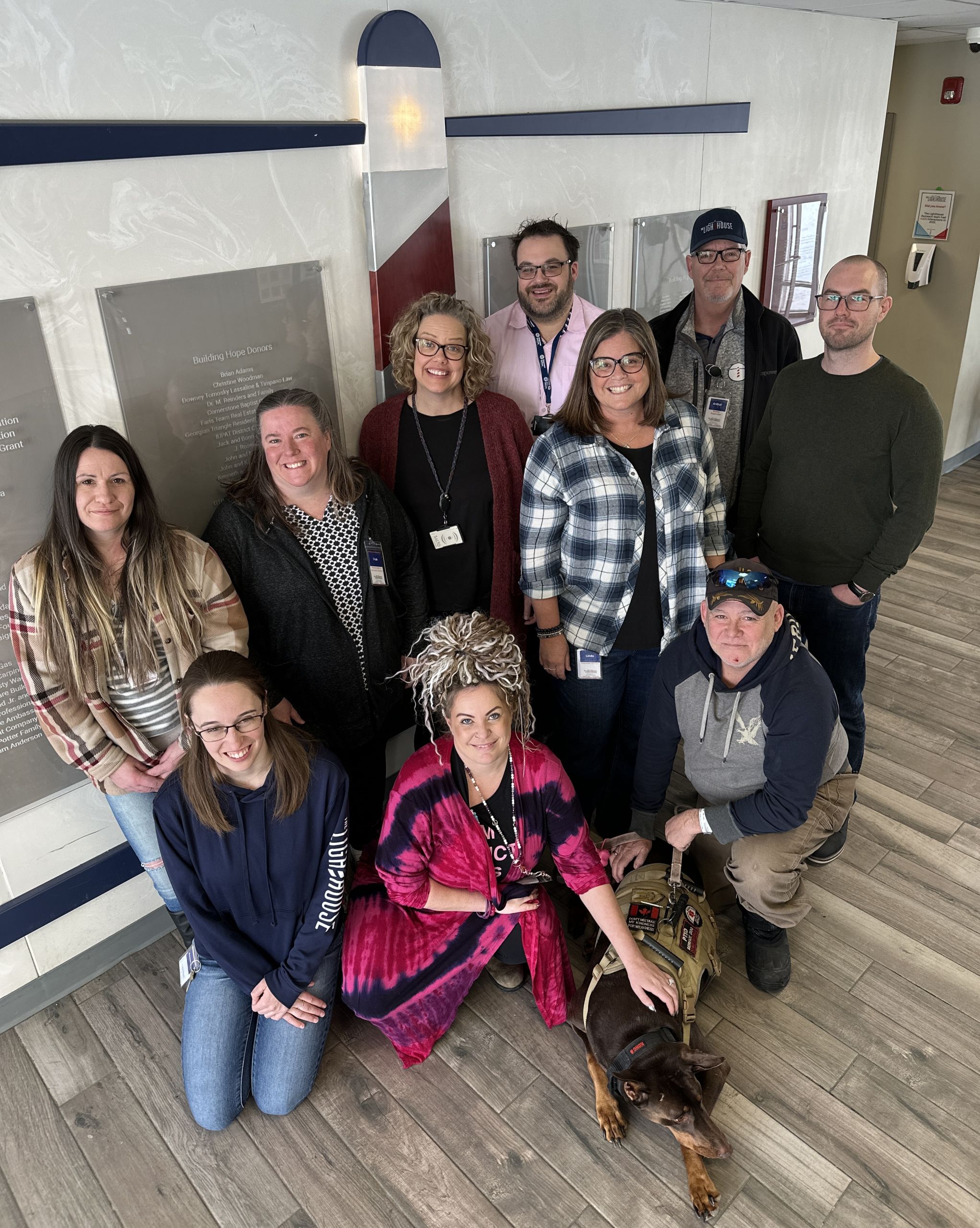
For Bryan, homelessness had been a harsh reality for 15 years. When he arrived in Orillia in 2020 with his devoted companion, Sky—his beloved four-legged best friend—he quickly discovered that they had nowhere to turn for shelter. Fortunately, Bryan sought assistance from The Lighthouse. However, he faced a heart-wrenching dilemma: staying at the shelter would mean leaving Sky behind, a choice he couldn’t accept.
The compassionate staff at The Lighthouse recognized Bryan’s predicament and provided an alternative solution. They guided him to a safe camping option where he could stay with Sky. Moreover, The Lighthouse Outreach Team made a commitment to check in with him daily, ensuring he felt supported during this difficult time.
Despite his determination, Bryan found it challenging to secure housing that would welcome both him and a potential roommate. He grew increasingly concerned about the future he and Sky faced as rising costs and limited availability seemed insurmountable. Yet, The Lighthouse team remained steadfast in their support, assisting Bryan in successfully completing a referral to Empower Simcoe’s Housing First program.
In just a few weeks, with the support of an Empower Simcoe Housing First Case Manager and a Housing First subsidy, Bryan found a one-bedroom apartment that finally allowed him and Sky to call it home. Today, Sky enjoys relaxing on the couch and going for daily walks, while Bryan collaborates closely with his case manager and community partners to attain financial stability and prioritize his well-being. He dreams of reuniting with his family back on the East Coast one day.
Linda Goodall, Executive Director of The Lighthouse, shares her excitement: “Having Bryan return to share his story—and then thrive independently in his own home—is an incredible success. It’s thrilling to see people come back for those reasons.”
But The Lighthouse is more than just a physical building at 75 Queen Street in Orillia; it is a hub of compassion and support for those at risk of or experiencing homelessness. “Our whole philosophy is centred around fostering partnerships,” explains Linda. “We can’t do any of this alone. Having Empower Simcoe here, working directly with our Housing Navigators to support people like Bryan, is everything. It creates an environment where people feel safe and supported. We couldn’t ask for a better on-site housing partner.”
The on-site Empower Simcoe Housing team, comprised of Housing First Case Managers Tina Stubbings and Tara Powell, Housing Specialist Jon Peters, and Housing Access Worker Taylor Doss, collaborate seamlessly with The Lighthouse team to develop comprehensive, holistic case plans.
“It’s never solely about housing. Many individuals are grappling with trauma, addiction, mental health challenges, physical health concerns, transportation issues, unemployment, and educational obstacles,” emphasizes Taylor. “Being here at The Lighthouse allows us to create integrated support plans with other service providers. Everything we need is conveniently located under one roof, making it possible for us to effectively coordinate care and resources.”
Together, The Lighthouse and Empower Simcoe are building a brighter future for Bryan, Sky, and countless others in our community. The journey may be challenging, but with collaboration and compassion, we can achieve remarkable outcomes.
0
Housing Help Appointments at The Lighthouse
0
Lighthouse Participants in RentSmart Training
0
Housing Help appointments across all four regions
0
People Supported Through the Motel Voucher Program
Setting the table for Success
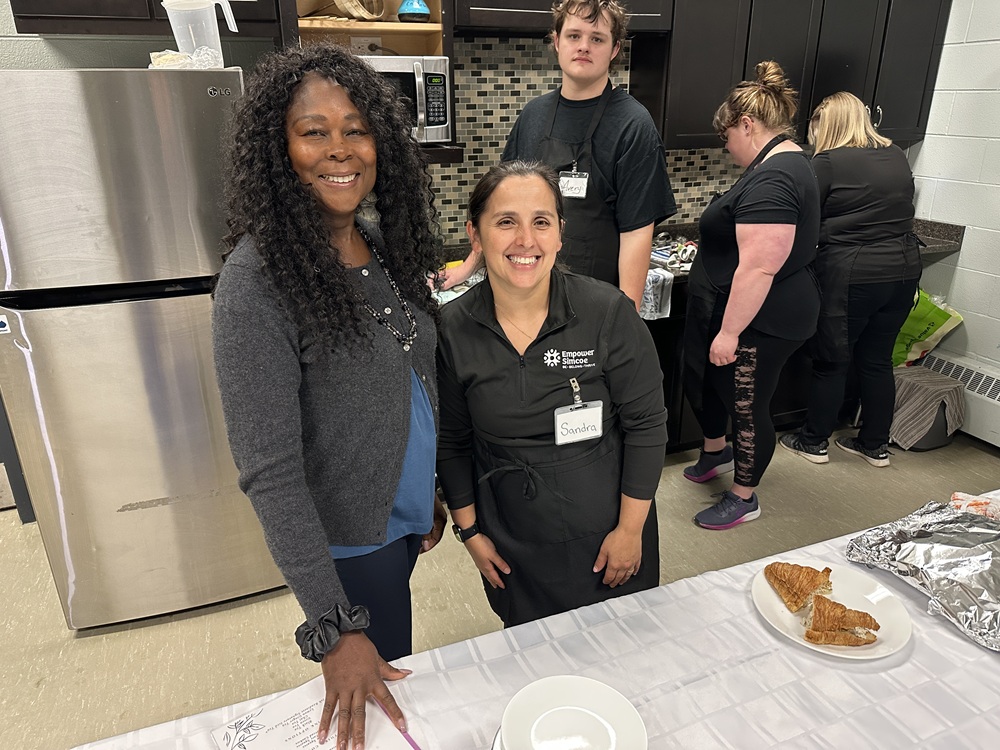
The Empower Simcoe Job Readiness Dining Experience was born from Community Participation Support Worker Sandra Urbshott’s vision to create a meaningful, hands-on social enterprise employment training opportunity for individuals with developmental disabilities. Faced with the challenge of Bill 148, which removed exemptions for short-term, outcomes-focused job training in real work environments, Sandra sought a creative solution to fill this gap.
Inspired by skill-building initiatives like Waypoint Centre’s Behind the Seams program, Sandra brought the idea of a pancake breakfast at Shaq’s World where Job Readiness participants served food to friends and family. The success of that breakfast led to the development of The Job Readiness Dining Experience—a comprehensive program incorporating menu planning, budgeting, grocery shopping, cooking, culinary presentation, and customer service.
Now in its third year, the program runs two sessions annually, supporting 8–10 participants per session. While focused on skills related to the food service industry, the program’s true strength lies in its ability to build confidence, self-esteem, and transferable employment skills. “The program is helping people realize their goals and what they actually want to do on the job,” says Sandra.
The outcomes speak volumes. Ellie, a recent participant, is now enrolled in the culinary program at Georgian College. Another participant, Dakota, has secured employment at Theta Precision Metal Forming. Graduates of the program have also hosted High Tea events and volunteer appreciation luncheons—proof of both their growing skills and community engagement.
Beyond employment training, Sandra sees deeper impact: “This is about people’s futures. It’s also about helping people find connections with one another. They’re now doing that on their own, without our support. That warms my heart.”
Empower Simcoe’s Job Readiness Dining Experience is more than a program—it’s a pathway to purpose, belonging, and possibility. As Sandra shares, “I’m excited about what lies ahead for the program and the people we support at Empower Simcoe.”
Empower Simcoe CEO Dr. Claudine Cousins and Community Participation Support Worker Sandra Urbshott.
Risk Identification
Mitigating Actions/Controls ( currently in place)
Journey to Belonging – potential change in funding and service delivery model
Collaboration with Ministry. Planning, education, organization structural changes, ongoing communication with unions and workforce
Lack of cost of living funding increases resulting in the erosion of quality and capacity of service delivery over time.
Consistent dialogue and advocacy with funders. Reliance on fundraising to supplement government funding shortfalls. Invest in efforts to improve efficiency and productivity.
Labour disruption.
Union negotiations with the support of labour relations lawyer. Work stoppage/contingency plan.
Cyber Security Breach.
Employee cyber security training. Invest in up-to-date cyber security technology and best practises. Off-site backups. IT audits.
Temporary or permanent loss of funding from main funders.
Consistent dialogue and advocacy with funders. Maintain contingency fund. Maintain fundraising efforts.
Major disruption to operating environment due to natural disasters, pandemics, war, terrorism and other catastrophic events.
Pandemic planning, business continuity planning, insurance, contingency fund.
Transforming Fee For Service For A Changing Future
As a driven agency committed to constantly moving forward while celebrating our successes, Empower Simcoe has undergone a bold transformation of its Day Services. This evolution, rooted in our commitment to community, belonging, and person-directed support, marked a shift from traditional, segregated programming to a vibrant, individualized, community-based model.
Recognizing that “a program is not a building,” Empower Simcoe’s Community Support Services (CSS) program re-envisioned what support could look like beyond four walls. This innovative and dedicated team embraced the challenge, guided by the Ministry of Children, Community and Social Services’ Journey to Belonging and the growing need to offer Fee for Service (FFS) options. This meant not only changing how we offered services—but why, ensuring every person supported had real choice, voice, and opportunity to connect meaningfully within their community.
Kim shares how Empower Simcoe Fee for Service Transportation has supported her son Tyler to access activities in his community.
Through strategic partnerships with the Provincial Network Workforce Initiative and other developmental service agencies, as well as collaboration with educational institutions, we have developed a comprehensive recruitment and retention strategy.
In our commitment to attracting top talent, Empower Simcoe actively participated in career fairs, engaging with students and highlighting the rewarding opportunities within the DS sector. Furthermore, our proactive approach of networking, attending industry events, and reimagining our job postings has allowed us to stay ahead in addressing talent shortages.
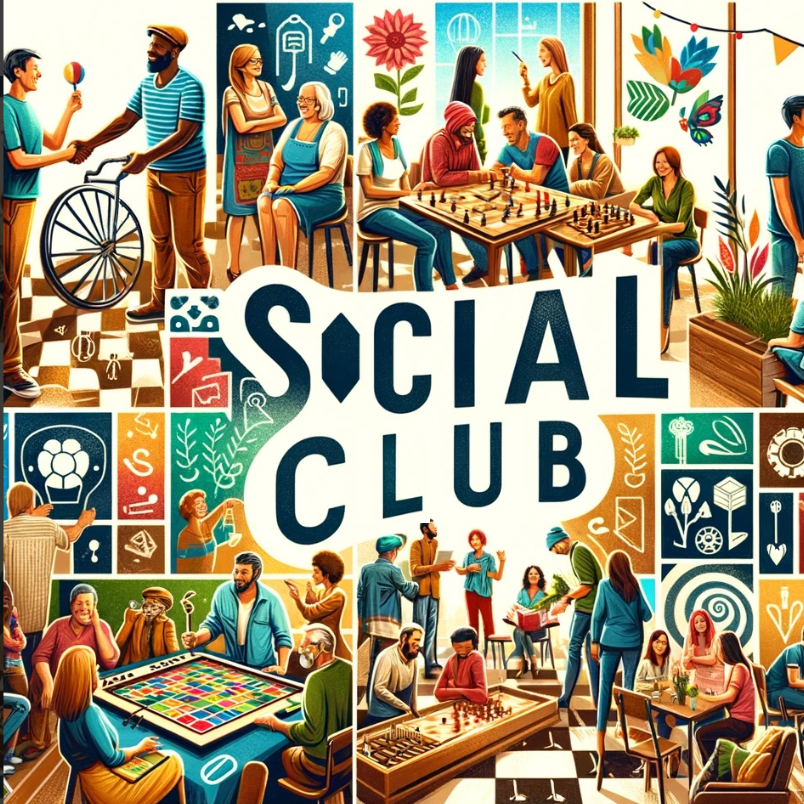
“We started by engaging families and people supported in deep conversations. As team members provided creative input, they identified new community connections like board game cafés, recreation centers, libraries, and even local farms,” says Community Support Services Supervisor Lisa Wright. “These partnerships weren’t just spaces—they were invitations into shared belonging. With each step into the community, people supported were empowered to discover new interests, build new relationships, and achieve goals that reflected their true desires.”
Feedback from families identified transportation as a significant barrier to full community participation. In response, Empower Simcoe implemented Transportation as a Fee For Service option, launching in October 2024. By April 2025, this service extended to individuals supported through the Barrie Employment and Transitions programs, achieving over $2,400 in monthly revenue while increasing accessibility and independence.
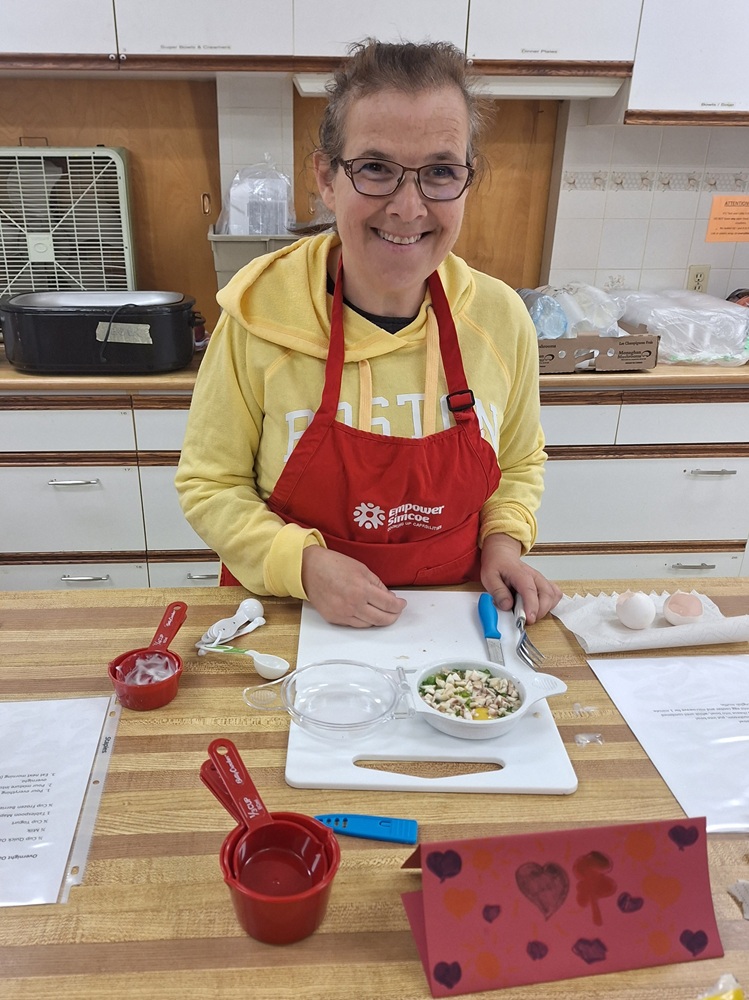
Simultaneously, Community Support Services expanded its Fee For Service offerings, launching an inspiring menu that includes Skills to Thrive, Social Shuffle, Cooking Up Capability, Grow Your Way, and more. These programs reflect the varied goals and passions of the individuals we support.
Driven by purpose, Empower Simcoe has not only transformed its Day Services but also redefined what it means to belong. Through community, collaboration, and creativity, we’ve built a service model that is sustainable, inclusive, and empowers people with choice and countless opportunities.
Sam’s Journey: Respect, Growth and Self-Direction
When we talk about respectful support, we mean really listening to people—giving them the space to make their own choices and making sure the help they get fits who they are and what they want in life. That’s exactly what Sam’s story is all about.
For a long time, Sam lived in a very structured environment. Supports were created during a time when she was facing some tough challenges. To keep both her and her Empower Simcoe support team safe, she had 24/7 one-on-one support, and several rules were in place that limited her independence.
Menu planning with Sam and Senior Support Worker Kim Tiffin
As time went on, though, Sam made big strides. She built new skills, grew more confident, and became more comfortable speaking up for herself. She started sharing that the constant 1:1 support felt like too much—it was overwhelming and actually made her more anxious. Sam was ready for more freedom.
So, her team started collecting information to figure out how her support could better match what she really needed. The data showed that Sam slept through the night and didn’t need someone there while she was sleeping. It also showed that when her staffing levels were lower, there were actually fewer incidents. With that in mind, and with Sam leading the way, she moved from 24/7 support to getting help only during the day—on her terms. As of March 2025, for the first time in 10 years, Sam is enjoying more independence, and she’s proud of how far she’s come.
Sam has also been speaking up about other areas where she wanted more control. She used to have no access to her own money or debit card. After learning how to budget and showing she could manage her spending, Sam now handles her own finances and shops on her own.
She also used to be limited to using plastic cutlery and had no access to scissors or knives. But after taking a cooking course and showing she could use sharp tools safely, she asked for those restrictions to be lifted. Her team reviewed everything, and now she has access to regular kitchen tools in her apartment. Another big win!
Sam is also taking charge of her meals. Before, she had to ask for food to be prepared elsewhere and brought to her. Now, with help from her team, Sam plans her own breakfasts and lunches, shops for groceries, and cooks small meals in her apartment. It’s a big step toward living more independently.
Support Worker Jody Compton assists Sam with her weekly online grocery shopping
Even socially, things are changing. Sam used to keep to herself, but she’s now showing interest in spending time with others. Her team is helping her connect with the people she lives with through BBQs and community activities.
Sam’s got big plans ahead—she’s looking forward to camp this summer and hopes to volunteer at the George Langman Bird Sanctuary in Oro-Medonte.
Sam’s story shows what can happen when we lead with respect, trust people to make their own choices, and support them every step of the way.
Building Community at Empower Simcoe’s EarlyON Centres
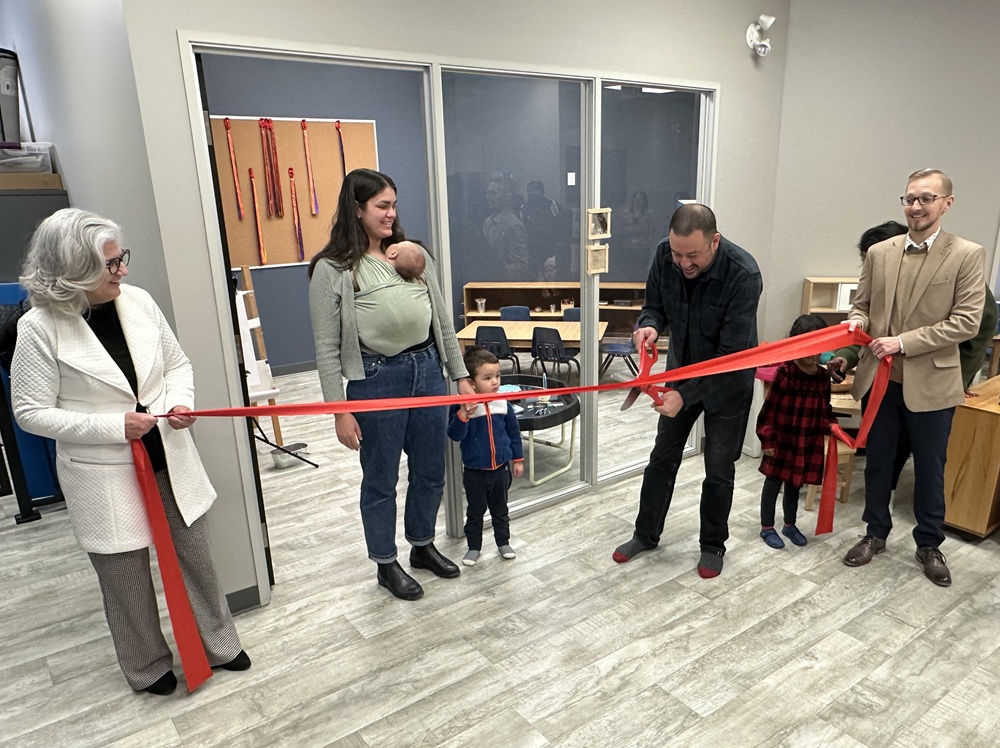
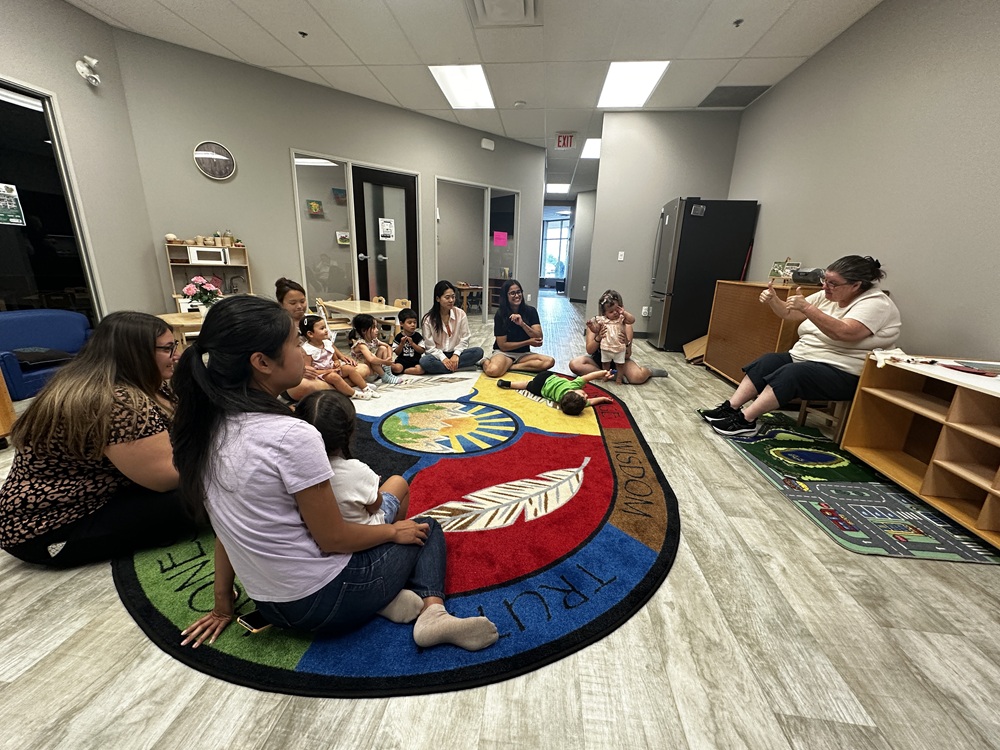
Empower Simcoe EarlyON Child and Family Centres, like the one recently opened in Thornton in January 2025, offer more than just a safe space for young children from prenatal through six years of age to play and learn—they’re a vital entry point into the community for families seeking connection, support, and understanding. For many new parents and caregivers, it’s their first opportunity to meet others, share experiences, and feel seen.
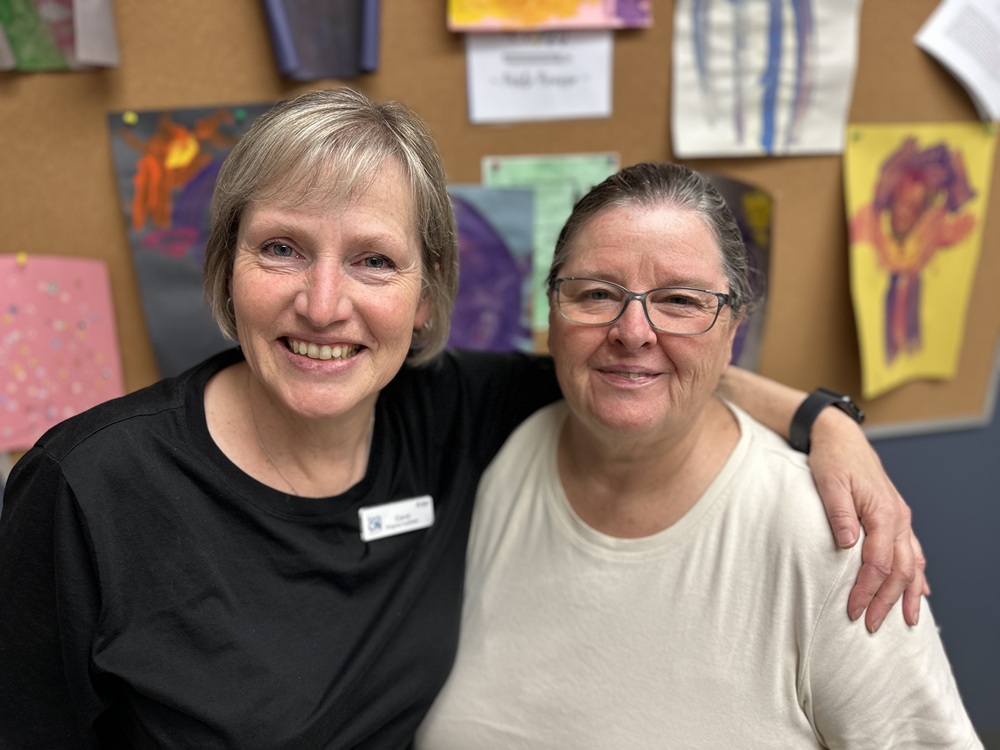
“There’s a real need,” says Empower Simcoe EarlyON Program Facilitator Carol Lajoie. “We have families coming from all over—Angus, Barrie, Innisfil, Thornton, Alliston, and Bradford. One family recently arrived from Sri Lanka. They don’t know anyone here yet, but they’re so grateful to come to a place where they can start building community.”
According to the most recent census data, Simcoe County experienced a 33.6% increase in its foreign-born permanent resident population between 2016 and 2021, with the fastest growth seen in South Simcoe and Barrie.
The need for welcoming, inclusive community spaces has never been greater.
EarlyON Program Facilitator Pat McCullagh understands firsthand the challenges of being new—new to a country, new to a culture, and in search of a place to belong. When she arrived in Canada from Northern Ireland in 1980, she was a young woman looking to find her place in a new country. Working as a nanny for three different families over eight years, Pat navigated her new life while trying to find her footing in an unfamiliar environment. Today, Pat draws on those early experiences to support newcomer families as they begin their own journeys.
According to the most recent census data, Simcoe County experienced a 33.6% increase in its foreign-born permanent resident population between 2016 and 2021, with the fastest growth seen in South Simcoe and Barrie. The need for welcoming, inclusive community spaces has never been greater.
“I’m an immigrant, but I spoke one of the languages when I came to Canada—and even then, it was still hard,” Pat says. “It’s very isolating being at home alone with a young child. Here at the EarlyON Centre, they find adult conversation, shared parenting experiences, and a sense that they’re not alone. For newcomers especially, it’s about feeling that you belong—feeling that this is your community too.”
At Empower Simcoe’s EarlyON Child and Family Centres, community means everyone is welcome, every child matters, and every family can find a place where they belong.
Celebrating visits, participation, and community connections
EarlyON by the Numbers
% of visitors by geographic area
EarlyON Child & Family Centre
No Data Found
Visits to the Thornton EarlyON Child and Family Centre
January 2025 - May 2025
No Data Found
Shawn’s Journey To Independence
At Empower Simcoe, we work mindfully to empower every individual’s goals—holding ourselves accountable to provide supports that are personalized, practical, and purposeful. For Shawn Ladouceur, that goal is clear: to live his most independent life.
As a proud participant in Empower Simcoe’s Journey to Independence program—an outcomes-driven, fee-for-service life skills development initiative based in Orillia—Shawn is excited to share how he’s building the skills and confidence needed to thrive in his community.
“I’m learning how to use the stove and oven and be safe in the kitchen,” Shawn shares proudly. “I’ve been learning to cook chicken. I still need a little help, but I know to set the oven to 400 degrees. Having pictures of the cooking steps really helps me remember what to do.”
From preparing vegetables, pasta, and French toast to cooking bacon and eggs, Shawn is expanding his culinary skills with growing confidence.
Journey to Independence is specifically designed to support individuals with diverse abilities as they work toward their personal goals. In addition to home management skills like cooking, cleaning, and safety, the program offers instruction in employment readiness, communication and social skills, personal care, and financial literacy—including budgeting, saving, and managing a bank account.
“Shawn has an incredible drive and eagerness to do things on his own,” says Osazee. “By working mindfully and creating strategies that support how he learns best, we’re helping him build the confidence he needs, one step at a time, to live an independent life.”
Thatgrowingconfidenceisevidentbeyondthekitchen.
“I’m more confident now taking the bus on my own—to places like Georgian College for a medical appointment, or shopping at Walmart,” says Shawn. “I like going to my bank downtown on my own. It makes me feel responsible.”
Now preparing to move into his own apartment this fall, Shawn is excited for what comes next.
“I’ll do good on my own,” he says with a smile. “Living on my own—living independently—is a dream come true.”
Through accountability, compassion, and person-centered support, Empower Simcoe is proud to walk alongside individuals like Shawn—championing every goal, celebrating every achievement, and empowering independence every step of the way.
Equity, Diversity and Inclusion Advisory Council
Expression of Interest
Caring for Caregivers
WhatisRespitality?
Respite+Hospitality=Respitality
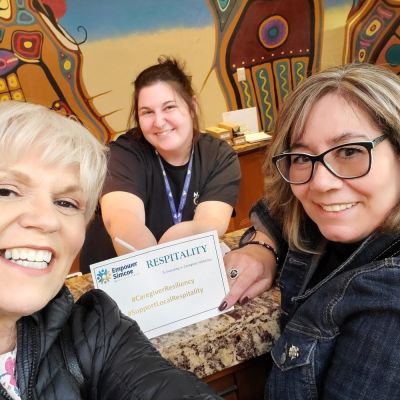
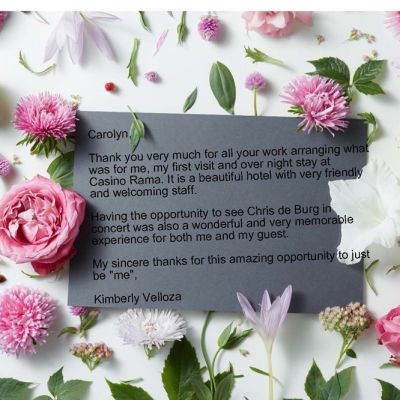
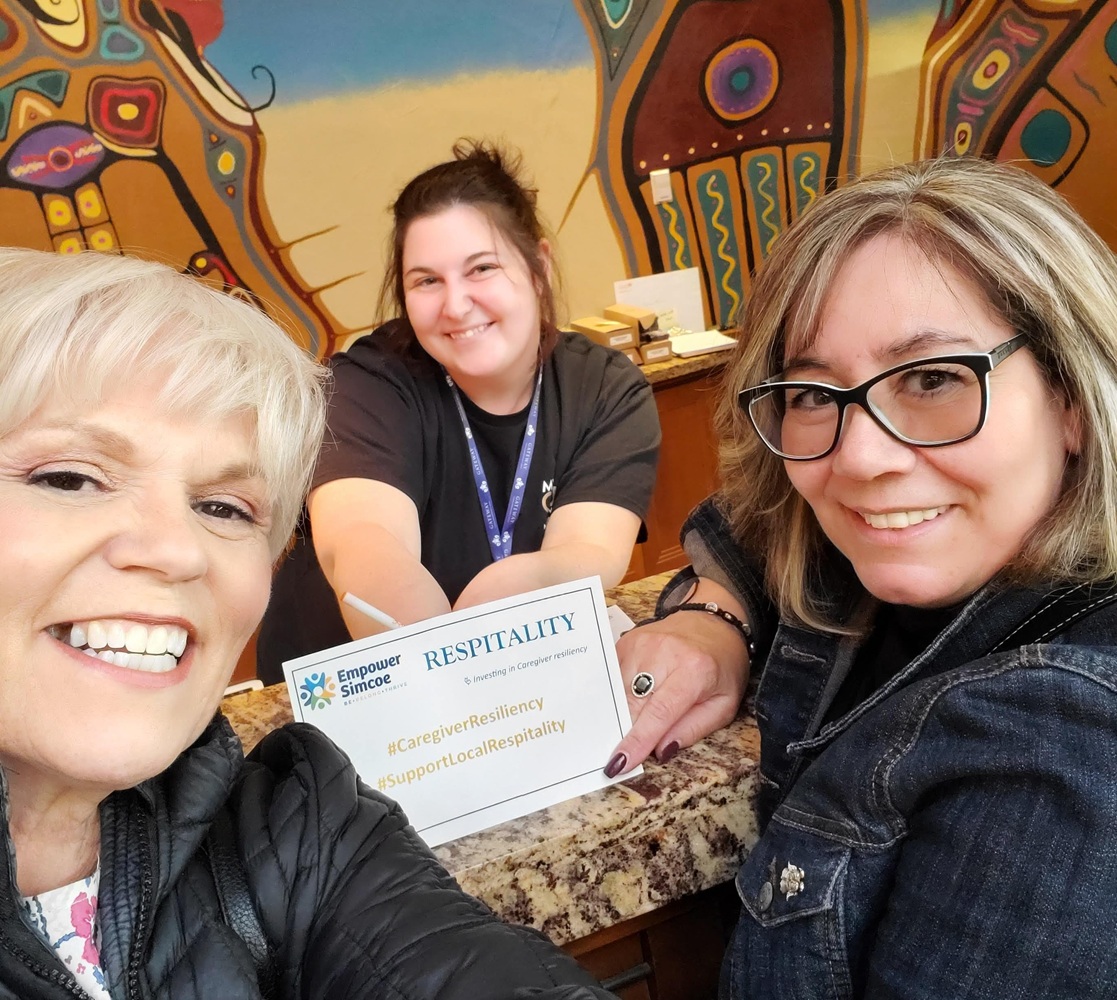
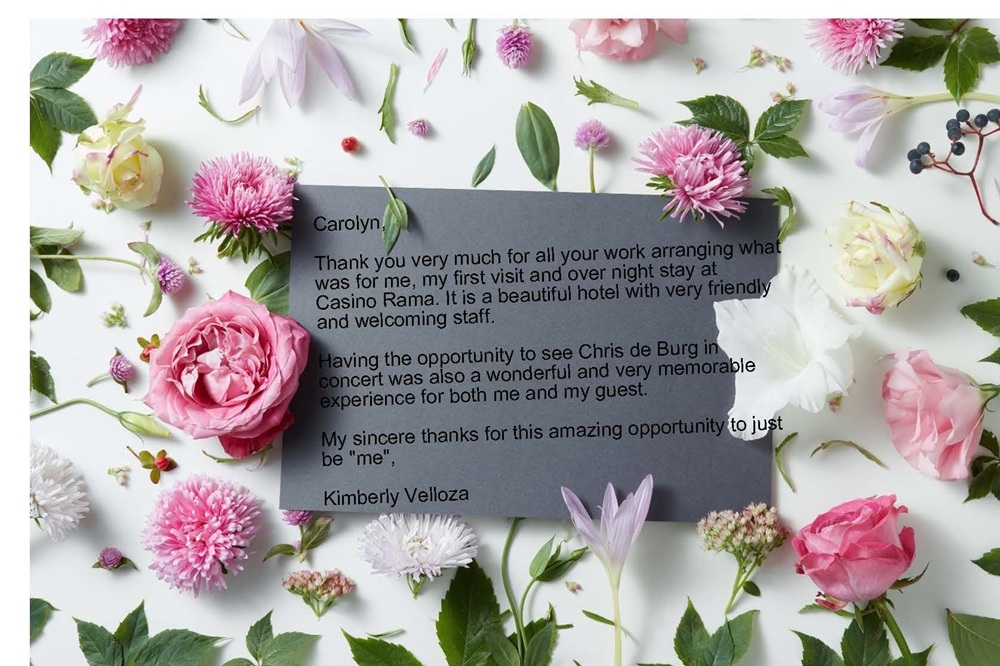
Respitality is an innovative partnership between social service agencies and the hospitality industry whereby hotels, restaurants, spa/wellness services, and other businesses donate their services to provide unpaid caregivers a meaningful break.
OUR GOALS
01.
Improved Health & Wellbeing
02.
Strengthen Caregiver Resiliency
03.
Strengthen Family Relationships
04.
Strengthen Connection to Community
WE KNOW in ontario, there are an estimated 4 millioncaregivers
0%
Report their caregiving responsibilities have increased over the past 2 years
0%
Feel concerned that they will not be able to handle all of the caregiving duties going forward
0%
Have considered quitting their job to provide care
$0
is the average caregivers are spending on caregiving per month
OUR Impact
213
Applicants
191
Respitality Experiences Delivered
39
Communities Services in Simcoe County
196
People Impacted
Housing Supports
BY THE Numbers
Finding safe and affordable housing is one of the biggest challenges people face. Through strong partnerships, financial supports, and individualized guidance, our Housing team helps people move from housing crisis to housing success.
From landlord incentives to hands-on coaching and utility relief programs, these outcomes demonstrate how we are reducing barriers and opening doors to long-term housing.